
Board hears county decision not to adopt 'piggyback' tax exemption under House Bill 96, avoiding large revenue loss to districts
Get AI-powered insights, summaries, and transcripts
Subscribe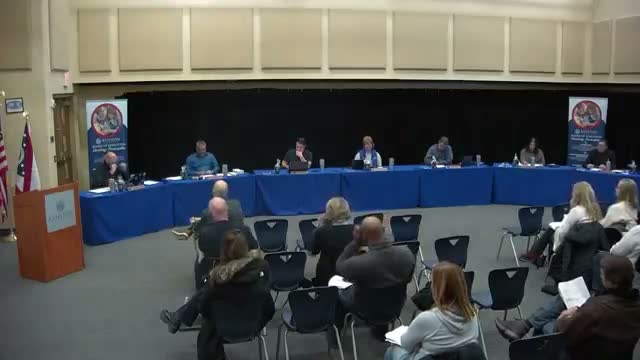
Summary
District officials told the board that a county task force declined to adopt a piggyback (county‑level) tax exemption under House Bill 96; speakers estimated that adopting the exemption would have cost area school districts roughly $900,000–$1,000,000 annually in revenue and said the county consulted districts before deciding.
Board members and district officials updated the Kenston Local Schools Board of Education on county discussions about tax changes proposed under House Bill 96 at the Dec. 15 meeting. Members said they have participated in a county task force with the auditor, commissioners and representatives from neighboring districts to evaluate whether the county should adopt a county‑level ‘‘piggyback’’ exemption that would layer on top of state exemptions.
According to a district official, the task force solicited feedback from school districts and other local entities and ultimately the county voted not to adopt the piggyback exemption. The speaker estimated that adopting it would have reduced district revenue by about $900,000 to $1,000,000 annually across the county’s school districts; officials said such a cut would have had a material impact on five‑year forecasts.
Board members said they will continue education and outreach on county and state proposals and will publish scenario analyses that show projected impacts to Kenston Local’s five‑year forecast under different legislative outcomes. No binding action by the board was taken at the meeting; officials emphasized ongoing monitoring while awaiting final state and gubernatorial action on bills.
The board’s discussion noted the larger fiscal context for schools and the need to communicate potential scenarios to voters and stakeholders when levies and long‑range planning are considered.