Lifetime Citizen Portal Access — AI Briefings, Alerts & Unlimited Follows
Weston board approves $40,000 Phase 2 study to weigh renovating middle school against building new
Loading...
Summary
The Weston Board of Education voted unanimously Dec. 15 to hire SLAM/Colliers for a $40,000 Phase 2 study to compare renovate‑vs‑new options for the middle school; consultants said the study will take 6–8 weeks and could affect state reimbursement. Board members debated scope and timing before the vote.
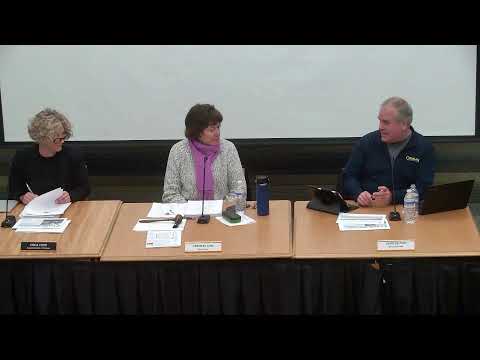
The Weston Board of Education voted unanimously Dec. 15 to move forward with Phase 2 of a facilities study by SLAM Cooperative and Colliers — a focused evaluation, priced at $40,000, to compare renovating the existing middle school to building a new facility.
Consultants told the board the Phase 2 scope will produce conceptual floor plans and site plans for both a renovate‑to‑new option and a new‑build option, plus technical narratives (mechanical, electrical, structural) that permit an apples‑to‑apples cost estimate. The consultant recommended the evaluation be done in current dollars so the district can tell the public whether renovation or new construction is less costly today. The consultants estimated the Phase 2 effort would begin within days of authorization and take six to eight weeks to complete.
The study’s results also matter for state school construction reimbursement. The consultants said renovation projects can qualify for a higher state reimbursement rate, and if the Phase 2 analysis shows new construction is demonstrably less costly, there are pathways to request an increased reimbursement. As a consultant summarized, “the value of the work from the SLAM collaborative in front of you this evening to complete that evaluation and that study for renovation status is I believe $40,000.”
Board members pressed the consultants on scope and timing. Several members warned that if the board expanded the scope (for example to evaluate bringing fifth grade into the middle school) the district could need a follow‑on study or an amendment to the contract. Consultants responded that Phase 2 is contractually scoped to a 6–8 grade middle school (grades 6–8) based on the district’s current enrollment projections but could be amended; they said much of the work would be reusable if the board later asked for additional scenarios.
Concerns that surfaced during the debate included consulting fatigue in the community and the risk of paying for a study that might later need to be repeated if the board changed course on grade configuration. Others argued the district lacks current, detailed cost numbers and that the study is a necessary step to inform grant applications, advocacy with state officials and any referendum planning.
Following the discussion the board moved to approve the Phase 2 SLAM study as presented; the motion passed and the board authorized staff to issue the letter to proceed. Consultants said they could start immediately and expected an early‑to‑mid February delivery of study numbers if the district signed the authorization right away.
Next steps: staff will issue the authorization letter, consultants will schedule site work, and the board will receive the Phase 2 report when complete to inform further decisions on scope, grant strategy and any referendum planning.