Lifetime Citizen Portal Access — AI Briefings, Alerts & Unlimited Follows
Pomona Unified: 225 portables average 30 years old; district weighing modulars, new portables and stick‑built options
Loading...
Summary
Consultants told the Pomona Unified board there are about 225 portable classrooms averaging roughly 30 years in age, many graded D–F on visual inspection; staff presented options from refurbishing to modular or stick‑built replacements and gave ballpark unit costs for planning.
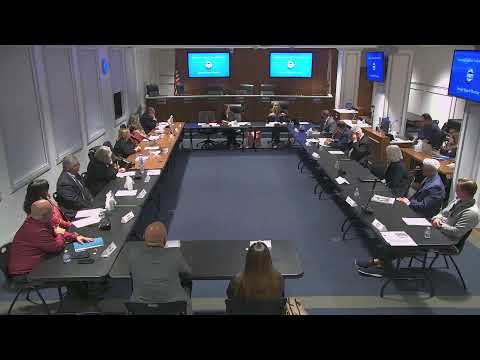
Consultants told the Pomona Unified board on Dec. 15 that roughly 225 portable units across the district average about 30 years old and that many received D or F condition grades on a visual inspection. The board discussed priorities, lifecycle cost, site preparation and procurement methods and asked staff to provide more detailed rubrics and campus-level recommendations.
The portable-classroom analysis distinguishes portable buildings (designed to be transported) from modular buildings (flat-packed or semi-permanent, often placed on stem-wall foundations) and stick-built construction. The consultant said modern modular options now claim lifespans that approach 40 years or more, while well-built stick‑built projects can last decades.
For planning purposes staff and consultants offered order-of-magnitude cost benchmarks in the discussion: an estimate of about $175,000 for a new portable shell and roughly $275,000 installed on an asphalt pad in straightforward site conditions, while noting site work and utilities can raise the installed cost significantly.
Board members stressed the need for a rigorous rubric for assigning A–F ratings and for project-level scoping before demolition, storage or replacement decisions are made. Several trustees asked whether some portables previously stored for refurbishment should instead be demolished and removed; staff advised inclusion of demolition and removal costs in final recommendations.
Consultants also recommended considering site planning, tree wells and ADA paths of travel when deciding where to place replacement units. The board asked staff to return with conceptual renderings and a plan for getting architect/engineer shortlists in place so priority campuses (Golden Springs, Lexington and others discussed) can move forward on clear timelines.
No contract awards were made at the meeting; staff will return with more detailed recommendations, rubrics and campus-level conceptual options for board consideration in January/February.