Lifetime Citizen Portal Access — AI Briefings, Alerts & Unlimited Follows
Pomona Unified flags fire-alarm systems as top facilities priority after consultant warns manufacturer support will end
Loading...
Summary
Consultants told the Pomona Unified Board that legacy EST3 fire-alarm panels are reaching end-of-life and the manufacturer will no longer support components by Dec. 31, 2026; the board asked staff to prioritize a phased transition plan and return with a recommendation quickly.
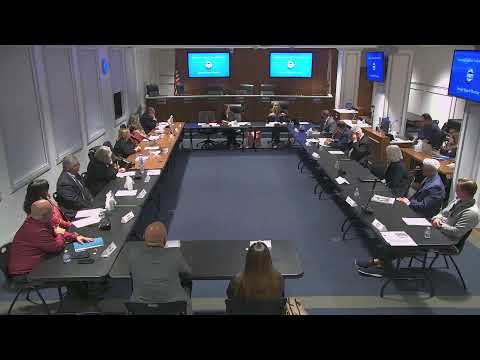
Consultants told the Pomona Unified School District board on Dec. 15 that many campus fire-alarm control panels are aging and some use proprietary technology the manufacturer will stop supporting by Dec. 31, 2026. The board agreed to prioritize a districtwide transition plan and asked staff to return with a phased recommendation.
The district’s fire-alarm assessment, presented by an MDC engineer, said the legacy EST3 panels and associated devices are vulnerable as manufacturers retire parts and stop offering service. "They won't support the existing system," the consultant said, warning that replacement components may be unobtainable and repairs could become temporary fixes.
The presentation said code requirements have expanded over the last decade — adding voice evacuation, carbon monoxide detection and other NFPA-mandated features — which increases the complexity and cost of upgrades. The consultant recommended a phased replacement based on priority groups: addressing the oldest, highest-risk panels first and maintaining functioning systems while replacements proceed.
Board members pressed for specifics. Trustee Patty (surname listed in transcript) and others asked when a district building would require a fire watch if a panel fails; the consultant said state fire code requires a certified fire watch when an alarm system is not working. Trustee questions also covered warranties, contractor certification requirements for proprietary panels, and Division of the State Architect (DSA) closeout dates for past projects.
Staff and consultants said a practical next step is a prioritized list that separates systems that can be maintained for the next 10–15 years from those that require near-term replacement. The board gave consensus to make fire-alarm work a higher immediate priority than the asphalt recommendations and requested staff develop a transition plan to present in January/February that identifies phases, costs, training needs and potential fire-watch contingencies.
The board emphasized training and nonproprietary procurement language. Board members asked staff to include "non-proprietary" selection criteria in specifications where feasible so maintenance can be performed by district staff or a wider pool of contractors. Staff said that can be included in bid specifications and will be part of the transition plan.
The board did not vote on a contract at the meeting. Next steps: staff will return with a recommended priority list, a phased transition plan, and draft bid/spec language for the board’s consideration.