Get Full Government Meeting Transcripts, Videos, & Alerts Forever!
Get email alerts on the Service Adjustments topic
No spam. Unsubscribe anytime.
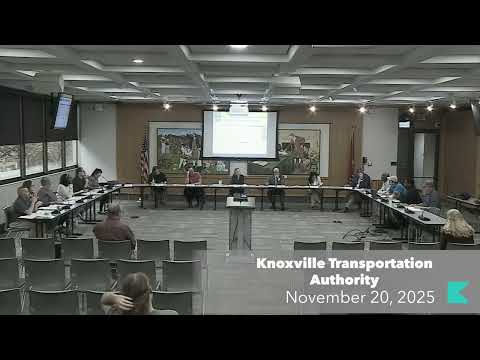
Board approves temporary frequency cuts on five routes, requires phased restoration plan
Summary
Facing nationwide driver shortages and short-term training delays tied to a federal DOT rule, the board approved temporary frequency reductions on Routes 12, 15, 17, 20 and 42 and conditioned the approval on staff returning next month with a prioritized plan for bringing service back as operators are hired and retained.
The Transportation Authority voted to adopt temporary service adjustments on several routes to provide consistent, predictable transit service while staff addresses ongoing operator shortages.
Isaac, the staff presenter, told the board that ad hoc daily suspensions have left customers unable to rely on published schedules and that a predictable, reduced-frequency plan is preferable. He said staff is recommending reductions on Routes 12, 15, 17, 20 and 42 to stabilize weekday operations. "Right now, we're cutting or suspending certain routes on a weekly basis," Isaac said. "That is not consistent or reliable for our customers."
Clay summarized the Title VI analysis staff used (via Remix) to evaluate equity impacts and said the proposed modifications would disproportionately affect low-income riders: low-income residents make up 18.7% of the transit service area yet account for 43.9% of those impacted by the proposed changes; minority passengers would experience a proportionally lower share of impact (26.3% impacted vs. 27.6% of the population).
Board members expressed concern about restoring service too quickly and then losing drivers again. One member warned against a "seesaw" of adding and removing service and asked that staff propose specific thresholds that tie staffing levels to added service. Member 12 successfully moved to amend the motion so that staff will return at next month’s meeting with a prioritization statement (not a schedule) describing the order in which routes will be returned to full service as workforce levels stabilize.
Staff described recruitment steps intended to improve retention and throughput, including monthly job fairs, partnering with driver academies, and new training cohorts (16 operators currently in training and a Dec. 1 class expected to add 10–20 more). Isaac estimated full-staffing could occur in March or April if hiring and retention continue.
The board approved the service adjustments with the amendment by voice vote. The motion was recorded as approved; no roll-call tally was provided in the transcript.