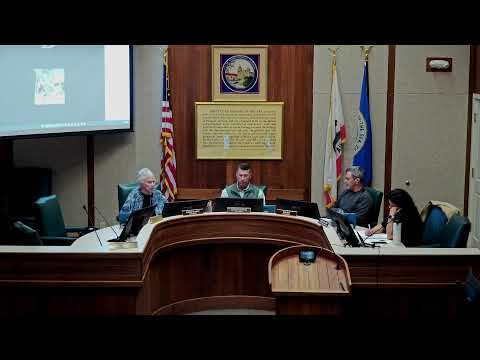
Historic Resources Board hears update on Harrison Memorial Library rehabilitation
Loading...
Summary
Design team presented a mid-schematic update to the Historic Resources Board on plans to rehabilitate the 1928 Harrison Memorial Library, emphasizing preservation of character, accessibility upgrades, seismic and systems improvements, and possible temporary relocation during construction.
The Historic Resources Board on the meeting heard a mid-schematic presentation on the Harrison Memorial Library rehabilitation project, which the project team described as focused on preserving the building's historic character while updating accessibility, seismic measures and building systems.
Buzz Udell, project representative, told the board the effort is intended "to prepare it for a flexible and dynamic next hundred years," and said the team is moving from schematic design into design development and construction documents. Anna Jeanette of Community Planning and Building introduced the project team and noted the city and library are coordinating the process.
John Locaccio, consultant with Historic Resources Group, described the treatment approach: "The standards for rehabilitation are the appropriate treatment. The project and then will obviously maintain the library's historic use with minimal changes to the original 1928 building." He listed character-defining features the team plans to retain, including the tile gable roof, textured cement plaster walls, arched wood entrance, wood sash windows and interior features such as the reading room fireplace and original plaster walls.
Presenters emphasized accessibility challenges inside the building and proposed discrete, low-impact solutions. Udell described plans for an internal elevator and a small lift "built into the woodwork" to reach upper levels, lowering or reconfiguring stacks to improve access and wayfinding, and introducing north-facing glazing in the spirit of the original design to bring light into the central spine.
On site access, the team showed options to restore a diagonal garden path and to create a more visible north entry with a sidewalk bulb-out and accessible parking; they said the intent is that accessible entries not feel like a secondary route. The presenters also said phasing to keep parts of the building open would probably be significantly more costly, so the library and city are evaluating two to three temporary location options while construction proceeds.
Cindy Lloyd, an online commenter who attended the project workshops, told the board the design team has been "welcoming of all of our comments," praised the project's attention to historic features and encouraged continued community engagement.
Board members praised the thorough historic evaluation and suggested the project's findings could warrant an updated DPR/DVR inventory form to record new research. Several board members asked for in-progress reviews; the team agreed to return during early to mid design development and to coordinate those briefings with staff.
Next steps: the team will advance design development, continue community workshops, and work with city staff on timing and any temporary relocation logistics. The board encouraged periodic in-progress reviews as design details are refined.