Get Full Government Meeting Transcripts, Videos, & Alerts Forever!
Get email alerts on the Sea Level Rise topic
No spam. Unsubscribe anytime.
Commission weighs beach-adaptation working group as sea-level-rise study moves toward CEQA review
Summary
Commissioners discussed forming a Carmel Beach Adaptation Working Group to review sea-level-rise adaptation strategies and prioritize projects; staff recommended including a planning commissioner, counsel warned that adding members outside the commission can trigger Brown Act requirements, and staff said the Coastal Commission approval is targeted for early 2027.
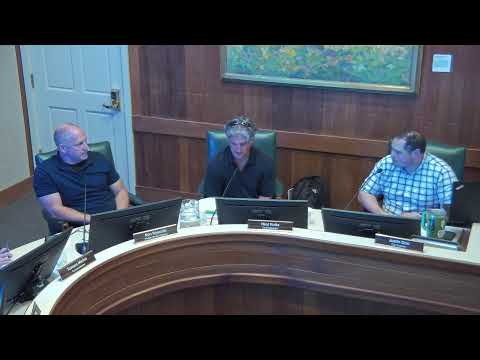
The Forest and Beach Commission on Dec. 11 debated creating a Carmel Beach Adaptation Working Group to shepherd sea-level-rise adaptation strategies into the local coastal program review and eventual Coastal Commission approval. Mary, staff lead on the project, said the working group would review consultant recommendations, help prioritize adaptation strategies for the beach and shoreline, and advise staff on community-engagement needs.
The working group concept grew from the consultant-led Carmel Beach sea-level-rise adaptation study. Mary told commissioners the consulting team’s scope, funded in part by a Coastal Commission grant, includes presentations to the Forest and Beach Commission, the Planning Commission and the City Council; staff recommended that a Planning Commission member participate on any working group because the study’s next step will be local coastal program amendments that planning will adopt.
Why it matters: the consultant work feeds into an amendment that the city must take through CEQA and the Coastal Commission; staff said the Coastal Commission review is expected in early 2027. Commissioners who spoke said early involvement by planning would reduce the risk of rework later, while others warned that adding noncommission members or other commissioners can trigger Brown Act meeting, agenda and minutes requirements that slow the process but improve transparency.
City attorney Brian pointed to Government Code section 54952 and explained that an advisory body composed of just two members of the legislative body can qualify as an ad hoc committee if it has a limited duration and no fixed schedule, but adding additional commissioners, planning commissioners or community members can make the body a Brown Act-covered committee subject to public posting and minutes. "If you add other members, it becomes a Brown Act body and that's subject to the requirements of the Brown Act," Brian said.
Commissioners discussed logistics and timing: staff said they expect to present the adaptation study in a joint session with the Planning Commission at the end of January (proposed dates included Jan. 27, 29 or 30), and Mary noted a Coastal Commission deadline for local approval around the beginning of 2027. Commissioners asked for clarity about how long the working group would meet and what deliverables would be expected; Mary and staff said initial tasks would be reviewing and prioritizing consultant adaptation strategies and advising on community engagement.
The commission did not take a formal vote to form the working group at the Dec. 11 meeting. Chair Mickey and other commissioners said they intended to consult potential members and return with a proposal that could be put to a motion at the commission’s January meeting. Mary reiterated that staff and the consultant will continue producing deliverables and that public materials will be posted on the city website; commissioners requested a clear comment window for review and suggested allowing about a month for commissioner comments given the holiday period.
Next steps: staff will finalize materials for steering-committee review and post the draft on the city website, commissioners will discuss potential appointees over the coming weeks, and the commission expects a joint presentation with Planning in late January.