Pomona Unified staff outline training, behavior supports and hiring plans as teachers and parents raise compliance and caseload concerns
Loading...
Summary
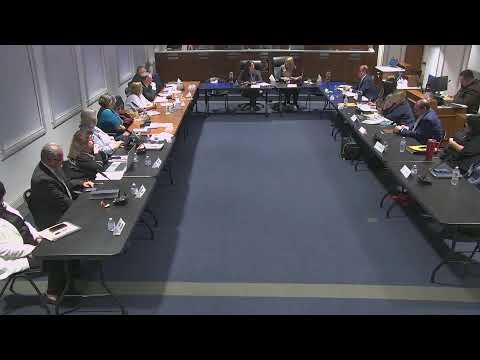
At a board study session, Pomona Unified’s director of special education described training, MTSS integration and staffing supports while teachers, union leaders and parents testified about high caseloads, vacancies and alleged noncompliance with special education law.
Miss Reese, the district’s director of special education, told the Pomona Unified School District board that the district is pursuing equity, transparency and accountability as it works to shift systems supporting students with disabilities.
“We have too many students educated outside of general education settings,” Miss Reese said, describing the district’s approach to integrating special education within a multi‑tiered system of supports (MTSS) and reviewing legal obligations under the Individuals with Disabilities Education Act.
The presentation covered child‑find duties, the referral timeline and required evaluation windows: superintendent and staff explained that Student Success Team (SST) interventions precede an IEP assessment plan, that parent consent triggers the 60‑day evaluation window, and that students transferring in with an existing IEP are subject to a 30‑day interim implementation period. Miss Reese said program administrators, program specialists and behavior consultants are the district’s primary supports at school sites.
Why it matters: Board members and public speakers said the district’s policies matter for daily classroom practice, teacher workload and legal compliance. Community speakers and unions pressed for clearer role definitions, job descriptions, and visual charts of who supports each school.
Key district figures: Miss Reese reported Pomona Unified serves 3,294 students eligible for IEPs (about 18 percent of enrollment), above the state average she cited. On funding, she said federal IDEA dollars currently account for roughly 7 percent of the district’s special education revenue (IDEA’s target is 40 percent), state revenue about 30 percent, and that the district’s general fund contributes roughly 61.97 percent — a local contribution she described as more than $53 million toward an approximately $85 million special education budget.
The district also outlined staffing and training initiatives in response to teacher feedback: three BCBAs (behavioral coordinators) are working with TK–grade teachers and administrators; district coaches are performing in‑classroom coaching; a Goalbook platform was purchased to help teachers write and monitor IEP goals; monthly new‑teacher onboarding and late‑start Friday trainings are part of ongoing professional development.
Still, staffing gaps remain. Miss Reese said the district had 22 requisitions with 10 positions to fill for certain teacher roles, multiple vacancies in moderate‑to‑severe classes, and 42 open paraeducator positions; she described job fairs, partnerships with local colleges and a Title II–funded retention bonus program for hard‑to‑fill roles as short‑term responses.
Voices from the public: Teachers and union leaders described real‑world impacts. Mary Morales, APT president and a 25‑year special education teacher, said staffing vacancies and caseload maxima are harming both students and educators: “We are at max in most caseloads... We want change,” she said, urging the board to reduce caseload strain and improve training and protocols for paraeducators, notably for toileting and health‑safety procedures.
Claudia Cano, speaking for parents, alleged the district had acted out of compliance in one case by refusing her daughter an IEP; Miss Reese acknowledged the district’s obligations and emphasized transparency and data‑driven follow up.
What’s next: Board members requested charts showing services by school and an organizational chart for the special education team; staff said they would provide the requested visuals and follow‑up documents. No formal board action or vote occurred at the study session.
The board closed the session with commitments to continue labor‑management meetings and to return with the data requested by members.