
Harford County public comments split on DEI, Lifewise and books amid heated testimony
Get AI-powered insights, summaries, and transcripts
Subscribe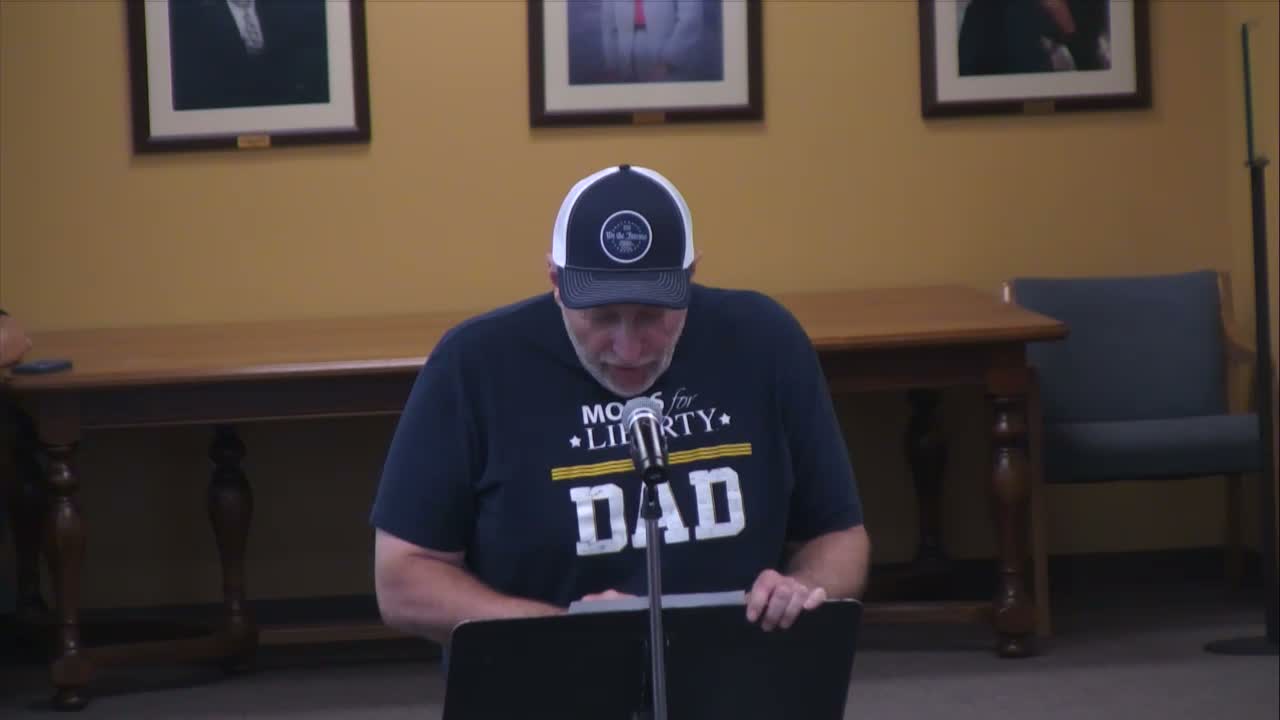
Summary
Speakers at the May 19 board meeting delivered sharply divergent public comments: some criticized DEI and specific books as inappropriate and raised church/state concerns about Lifewise, while others defended inclusive practices and equity supports; Lifewise proponents said the program is voluntary and not paid for by HCPS.
Public comment at the Harford County Board of Education meeting on May 19, 2025, featured a series of strongly worded and opposing views on curriculum content, diversity-equity-inclusion (DEI) practices, the Lifewise program and specific books in district collections.
William Martino told the board that the public education system “advocates for a Marxist ideology” and said traditional academics such as geography and cursive have been removed from classrooms. He criticized environmental and climate content and accused the teachers’ union of promoting “activist material.”
Opposing viewpoints came from members of the community who defended DEI and inclusive practices. Virtual speaker Kathy Kavaleski defined diversity, equity and inclusion in concrete terms — IEPs, 504 plans, differentiated instruction and food supports — and said inclusion helps students feel they belong. "Diversity means representing different identities and perspectives," Kavaleski said, and argued that welcoming practices reduce isolation that can be a risk factor for violence.
Several speakers raised concerns about Lifewise, a program described by critics as pulling students from class for faith‑based instruction. James Ramsey and Delaine Lewis urged the board to scrutinize pull‑out programs, with Lewis citing chronic absenteeism (she said the district's absenteeism was 15.6% vs. a 4.6% goal) and arguing pull‑outs can harm academic outcomes. In response, Reverend Steven Hoffmeister, chair of the Lifewise Academy steering committee, defended the program as voluntary, parent‑permissioned and not funded by Harford County Public Schools. "It is a voluntary program. Parents have to sign a permission slip. Harford County Public Schools pays nothing for this program," Hoffmeister said.
Other public speakers, including Janine Canedo and David Fabi, urged caution about specific books and materials they described as sexually explicit or otherwise inappropriate for children. These speakers asked the board about reporting standards and how parents can raise concerns.
Board members acknowledged the range of views and referenced continuing discussions; the public comment segment drew repeated requests that the district post clear procedures, clarify parental notification and explain how proposed programs affect instructional time.
No formal actions were taken during public comment; speakers on both sides asked the board to consider additional information and community engagement as policies and materials are reviewed.