Get Full Government Meeting Transcripts, Videos, & Alerts Forever!
Get email alerts on the Ohv Spalding topic
No spam. Unsubscribe anytime.
Residents, businesses clash over Spalding strand OHV access; board asks staff and law enforcement to explore enforcement options
Summary
Dozens of Spalding residents, business owners and law‑enforcement officials gave three hours of testimony on off‑highway vehicle access, with opponents citing safety, noise and road damage and supporters citing tourism and local income; the board directed staff to explore enforcement and signage options.
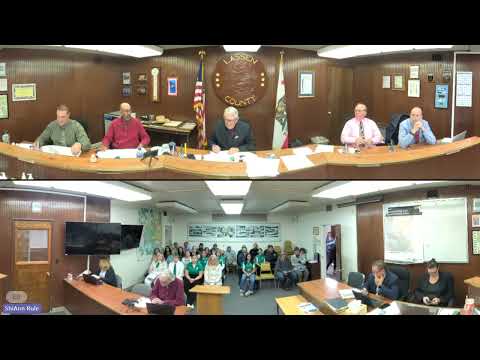
The Lassen County Board of Supervisors heard more than three hours of testimony on the county’s Spalding strand off‑highway vehicle (OHV) resolution, with heated exchanges between residents who say the activity has become unsafe and residents and business owners who say it brings critical tourism dollars.
Supervisor Mike (introduced the item) told the board he had received complaints from many constituents and wanted the issue revisited. Opponents described children riding ATVs without helmets, high speeds, unreported crashes and deteriorating county roads. "There's children riding ATVs 2 at a time, no helmets," said Brian Hahn, who said the situation had grown beyond the one‑time event the resolution intended. Barbara Kemper, a year‑round resident, said the increase in machines and noise had made life on her block "overbearing." Other speakers reported unreported accidents and enforcement gaps.
Supporters argued OHV access supports local businesses, brings visitors and helps community events. "We need the money," said Jose Pena, noting filled campgrounds and spending at local businesses during OHV weekends. Frank Muse, a seasonal manager and longtime local, said strand access helped his business and generated fundraising revenue for his fire department.
Law enforcement and state highway patrol representatives acknowledged enforcement limits. A sheriff's office representative said deputies maintain a heavy presence during sanctioned OHV events but have limited capacity for day‑to‑day patrols. CHP Lt. Lacey Carney said officers document traffic complaints and are busiest on major holiday weekends; if violations are not observed by an officer they generally cannot be enforced.
Board members thanked residents for input and asked staff and law enforcement to explore options including targeted patrols, signage clarifying speed limits and permitted uses, and better community education and permit enforcement. Several supervisors noted rescinding the strand resolution would not solve similar OHV activity occurring across other communities and said heavier enforcement or signage could help.
The board did not rescind the strand resolution at the meeting. Instead, supervisors directed staff to return with options for signage and targeted enforcement and for a draft letter or action plan reflecting constituent concerns and law‑enforcement capacity.
The discussion took place under agenda item H3 and included public safety, economic and enforcement trade‑offs.