Get Full Government Meeting Transcripts, Videos, & Alerts Forever!
Get email alerts on the Commissioner Salaries topic
No spam. Unsubscribe anytime.
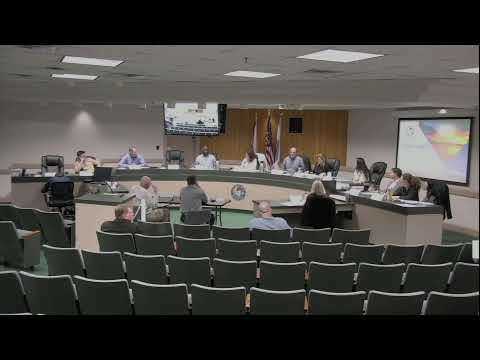
Charter Review Commission Moves to Draft Ballot Language to Align Commissioner Pay with State Formula
Summary
The Clay County CRC asked the county attorney to draft ballot wording that would adjust commissioner pay to the annual salary set by Florida statute; members debated fiscal impacts, prior voter defeats, and the role of the charter in fixing pay.
Clay County’s Charter Review Commission voted to pursue drafting ballot language that would adjust county commissioner compensation to match the annual salary established by state law. The motion instructs the county attorney to prepare clear, ballot‑ready verbiage and to provide guidance on any required financial disclosures for voters.
Commissioner Jim Reininger and several CRC members framed the discussion around the practical demands of the job and the charter’s historic role. Reininger told the group that the charter currently sets commissioner pay at a 2008 level — "in 2008 ... the salary would be 37,000" — and that no raise has been recorded in roughly 18 years. Members said the county has grown rapidly, increasing demands on commissioners' time; one member noted the county budget approaches the hundreds of millions of dollars.
Opponents cautioned about public reaction and fiscal impact. Members referenced past ballot defeats when voters rejected proposed charter changes on pay and cost‑of‑living adjustments. One CRC member noted a statutory formula could raise a commissioner’s pay to roughly the low‑to‑mid five figures above current levels (members referenced state guidance that could put the salary near $90,000 for Clay County), and asked where that funding would come from. The county attorney confirmed the CRC may propose charter amendments and that the commission should expect to provide voters with required explanatory materials and possibly financial impact disclosure.
Next steps: the commission directed the county attorney to draft one or more language options (including a simple Tallahassee‑style formulation that ties pay to state law) and to research disclosure requirements; members scheduled review of those drafts at the CRC’s next meeting.
The commission then opened the meeting for public comment, received one speaker who favored district representation and better pay for commissioners, and adjourned.