Get Full Government Meeting Transcripts, Videos, & Alerts Forever!
Get email alerts on the Affordable Housing topic
No spam. Unsubscribe anytime.
County staff urges affordable housing as primary public benefit; commissioners weigh incentives and practical limits
Summary
Staff proposed prioritizing affordable/workforce housing within the PD process—suggesting thresholds, density bonuses and possible off‑site units with timing safeguards—while commissioners and builders debated feasibility and unintended cost impacts.
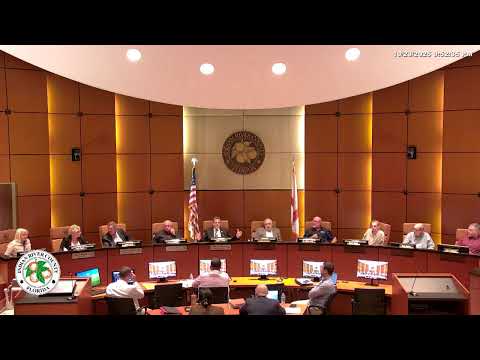
Staff at the Indian River County joint workshop urged commissioners to treat affordable and workforce housing as the primary public benefit for residential planned developments.
Ryan, the planning staff presenter, proposed four measures: (1) elevate affordable/workforce housing as the county’s top public‑benefit priority, (2) allow meeting a defined affordable‑housing threshold to satisfy PD public‑benefit requirements, (3) permit minimum‑project‑size exemptions where affordable housing is provided, and (4) consider allowing off‑site or satellite affordable units if timing and enforcement guarantees protect delivery.
Developers and some commissioners cautioned that extra requirements and prescriptive buffers can drive up lot prices. Deb Robinson, vice president of Laurel Homes and Laurel Builders, told the workshop: “Every rule you add, every single foot you add to the buffer…they’ve gotta cost more,” arguing that additional requirements ultimately raise the price of homes and limit affordability.
Other participants suggested complementary tools such as in‑lieu fees, housing trust funds, stronger use of the existing 20% density bonus, and engagement with nonprofit providers like Habitat for Humanity. Planners and developers also recommended allowing some conceptual hearings or early‑stage reviews so applicants understand whether an innovative approach is feasible before investing large engineering budgets.
Next steps: Staff will evaluate how to translate policy direction into code language and return with options and stakeholder outreach in January; commissioners signaled interest in pursuing mechanisms that will be enforceable and timed to ensure affordable units are delivered, not only promised.
Ending: The boards asked staff to draft specific code and policy options for the next workshop; no ordinance changes were adopted at the meeting.