Get Full Government Meeting Transcripts, Videos, & Alerts Forever!
Get email alerts on the Data Centers topic
No spam. Unsubscribe anytime.
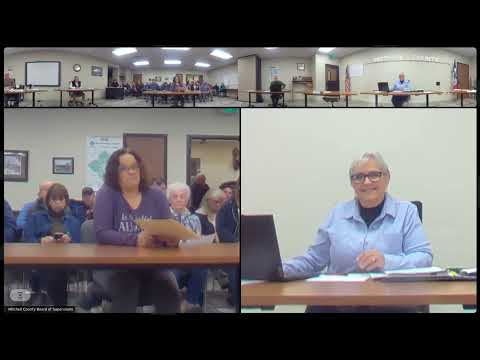
Mitchell County Board imposes temporary moratorium on data centers after energy and environmental concerns
Summary
The Mitchell County Board of Supervisors on Nov. 25 approved Resolution 1336‑25, 4–1, placing a temporary moratorium on new data‑center and Bitcoin‑mining applications in unincorporated Mitchell County through Dec. 31, 2026 while planning and zoning develops standards and definitions.
The Mitchell County Board of Supervisors voted 4–1 on Nov. 25 to adopt Resolution 1336‑25, placing a temporary moratorium on new applications for data centers and related facilities in unincorporated Mitchell County through Dec. 31, 2026, unless the board extends the date. The moratorium does not apply to any application filed before adoption.
The resolution says facilities that “house computer or network equipment, systems, servers, appliances, and other associated components” can place an “excessive burden on energy and water resources,” and directs county staff and the planning and zoning commission to consider supplemental conditions and procedural changes before applications resume. The clerk read the full resolution during the meeting.
Board members and staff debated whether Bitcoin mining should be treated as a data center and whether existing light‑industrial zoning provides enough discretion to deny or condition applications. County attorney Aaron cautioned that legal challenges are possible if applications have vested rights or if a moratorium is applied inconsistently; he urged thorough review to reduce litigation risk. John, a county consultant, and Amanda, planning staff, advised refining definitions and potential special‑use/conditional‑use processes to allow case‑by‑case review.
Public commenters raised environmental and health concerns during the meeting’s public‑comment period. An attendee who spoke during the hearing asked whether corn‑based glycol coolant from hydro‑cooled systems could become hazardous waste when cleaned and where any such waste would be disposed. Others expressed concerns about electromagnetic frequencies, noise, impacts on drinking‑water supplies, and the potential strain on the local electric grid.
Supervisor Mark voted against the moratorium, saying he was not persuaded it was necessary in all cases; Tom, Pam, Sydney and Jim voted in favor. Supporters stressed the moratorium would provide time for the county to develop clear technical standards on water use, waste handling, noise, setbacks and energy impacts before accepting further applications.
Next steps listed by staff include directing planning and zoning to draft ordinance language, review the light‑industrial district definitions, and report back to the board. The moratorium language explicitly allows the board to end the moratorium earlier if it finishes that work to the board’s satisfaction.