Get Full Government Meeting Transcripts, Videos, & Alerts Forever!
Get email alerts on the Nonprofit Support topic
No spam. Unsubscribe anytime.
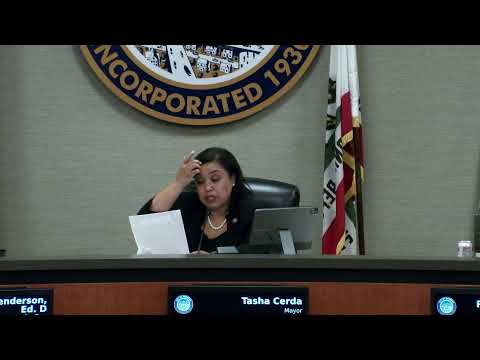
Gardena council declines to eliminate permit fees for food distributions after public pleas
Summary
After a lengthy public-comment period and council debate, motions to eliminate or halve temporary event permit fees for nonprofit food distributions failed; the council left the existing fee schedule in place but asked staff to follow up.
The Gardena City Council on Dec. 9 debated whether to reduce or eliminate permit fees charged to nonprofits that host food distribution events. The item drew public comment from Paul Randall of Mama Rosa's Food Pantry, who described rising operational costs and growing demand at his distributions and urged the council to waive or lower fees.
"We don't charge a fee for the food," Randall said, describing distribution costs including fuel, insurance and vehicle maintenance and reporting that his Dec. 6 event served 326 clients and more than 1,100 family members this year. Councilmembers and staff reviewed the fee structure in Resolution 6659 and a fee study that tied the charges to estimated staff time (roughly 2.7 to 5.26 hours depending on event size).
Councilmembers split over whether the city should absorb those costs or preserve a cost-recovery approach. Councilmember Love argued the fee is a barrier for local nonprofits and moved to eliminate the fees; Councilmember Francis seconded. The motion failed 3-2. Francis later moved to reduce all three fee tiers by 50 percent; that motion also failed 3-2. With no successful motion, the council left the current fee schedule in place and directed staff to carry forward the item as appropriate.
Staff and several councilmembers noted that the temporary-use permit can be submitted once for multiple events over a year and that the city's fee study aimed to cover roughly half of the staff time and related costs. Opponents of elimination said the city would need to consider fairness to other permit payers and the cumulative fiscal impact if exceptions proliferated.
Mayor Serta said staff would study options and return with more information. Nonprofit operators told council they will continue operations whether the fee is changed or not but urged the city to consider how modest fee changes could bolster local food-security work.