Get Full Government Meeting Transcripts, Videos, & Alerts Forever!
Get email alerts on the Solid Waste topic
No spam. Unsubscribe anytime.
Skowhegan board begins update of 2002 solid waste ordinance; staff recommend dynamic postings, revised enforcement and fines
Summary
Town staff told the Planning Board the Solid Waste Management Ordinance (last updated 2002) needs overhaul: remove fixed lists of acceptable materials, post current materials and fees at the transfer station and online, clarify enforcement roles, move fines into rules and regulations and allow controlled reuse of materials with staff permission.
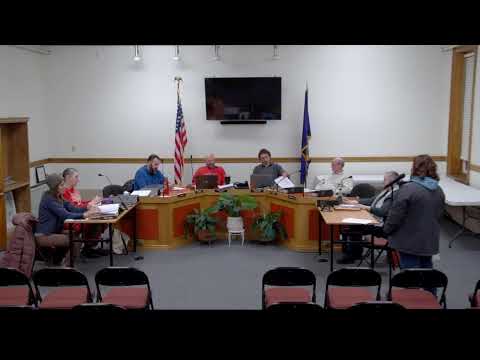
Town staff presented a package of proposed changes to Skowhegan's Solid Waste Management Ordinance, telling the Planning Board the 2002 ordinance no longer reflects current recycling markets or facility operations and should be modernized.
"This ordinance hasn't been updated since 2002," a staff member told the board, urging changes that would let the transfer station post a current list of accepted materials at the facility and on the town website rather than maintain a static list in the ordinance. Cindy, who spoke at length about daily operations at the transfer station, said staff already post item lists at the facility and on social media and recommended the ordinance reference posted materials so the list can change with market conditions.
Members discussed enforcement and who may deny or suspend permits. The draft language preserves authority for the solid waste facility supervisor and the code enforcement officer; some board members asked whether language should also add the town manager or the chief of police. Staff said they would check the legal requirement for naming the chief of police and recommended leaving permit-suspension authority with the facility supervisor and code enforcement officer for day-to-day enforcement.
On penalties, staff proposed moving specific dollar amounts out of the ordinance and into the rules and regulations or the town fee schedule so fines can be adjusted without rewording the ordinance. The transcript records a discussion that a $100 minimum per offense is currently in the ordinance and that the board could instead require a minimum fine as determined in rules and regulations, with each day a violation continues treated as a separate offense and remediation costs added as appropriate.
The board debated allowing supervised reuse or "reclaiming" of materials from the free area and wood pile; staff suggested permissive language requiring permission and following facility guidelines to reduce safety risks and DEP-related constraints. Participants also discussed operational details including hours (proposed uniform Tuesday–Saturday 7:00 a.m. to 3:45 p.m.), charging for some disposals (for example, tires or items with Freon), and the challenge of enforcing transparent-bag requirements and separating market-sensitive recyclables.
Legal counsel and one board member cautioned about the limits of waivers and signage as liability protections. A board member said a waiver "doesn't actually cover your **** as much as people think they do," and staff recommended clear signage stating "use at your own risk" and relying on insurance and posted rules rather than a broad waiver requirement.
No formal vote on ordinance language was taken; staff will draft updated text (including suggested changes on enforcement language, references to posted materials, and moving fines into rules) and return to the board for further review.
Next steps: staff to follow up with legal counsel on whether the chief of police must be named for enforcement, have Turner incorporate changes into updated ordinance language, and provide a redraft for future board review.