Get AI Briefings, Transcripts & Alerts on Local & National Government Meetings — Forever.
Graham County audit flags repeated bookkeeping lapses, $4 million in delayed tax receipts
Summary
An independent audit presented to Graham County commissioners found repeated control weaknesses, late treasurer statements, long‑outstanding checks and roughly $4 million in tax receipts deposited after year‑end; commissioners discussed bringing in outside help to get books current.
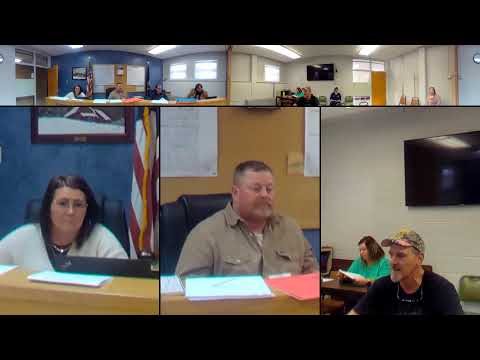
Graham County commissioners on Dec. 16 heard an independent auditor lay out a string of long‑running accounting problems and a plan to bring in outside help to catch up the treasurer’s office.
The county’s auditor said the 2024 financial statements were prepared on a regulatory basis and highlighted specific concerns carried from prior years: missing quarterly treasurer statements, checks outstanding for more than two years and several funds that exceeded budget authority. The auditor also told the panel that distributable tax collections showed a swing from about $6.9 million at the beginning of the year to $2.7 million at year‑end, and that his review suggested roughly $4 million in tax receipts were not deposited into county accounts in the 2024 calendar year but were processed later.
"The material weakness is the most serious issue you can have in regards to internal control," the auditor said, summarizing the governance letter and warning there is a "reasonable possibility that a material misstatement of the county's financial statement will not be prevented or detected and corrected on a timely basis." The audit also noted the 911 fund went about $13,164 over its adopted budget authority for the year, a point the auditor flagged for corrective action.
Treasury staff described the operational cause as a backlog resulting from late mail and staffing shortages. "There was boxes and boxes of mail...not humanly possible to process," the treasury staff member said, explaining why statements and deposits were delayed and describing plans to bring in experienced staff from another county and to work weekends to clear the backlog.
Commissioners pressed for a durable fix once records are current, not just a temporary cleanup. One commissioner said the board expects a follow‑up plan and regular updates: the county will arrange for an experienced treasurer from a neighboring county to assist, and staff will be trained to maintain reconciliations and timely deposit procedures going forward.
The auditor asked the board to accept delivery of the audit and authorize filing the report with state agencies; the transcript records the request and subsequent preparations for signatures but does not record a roll‑call vote on that authorization in the provided excerpt.
The audit also documented the county’s long‑term liabilities: the county’s share of KPERS unfunded liabilities was reported at $2,441,000 (a decline from the prior year), and landfill post‑closure liabilities were estimated at about $757,000. The auditor recommended timely bank reconciliations, clearer controls over agency funds and prompt publication of required treasurer reports.
What comes next: commissioners said they will continue to track progress and expect a status report on the treasurer office’s catch‑up plan at future meetings.