
Speech pathologist urges early detection of dementia, explains warning signs
Get AI-powered insights, summaries, and transcripts
Subscribe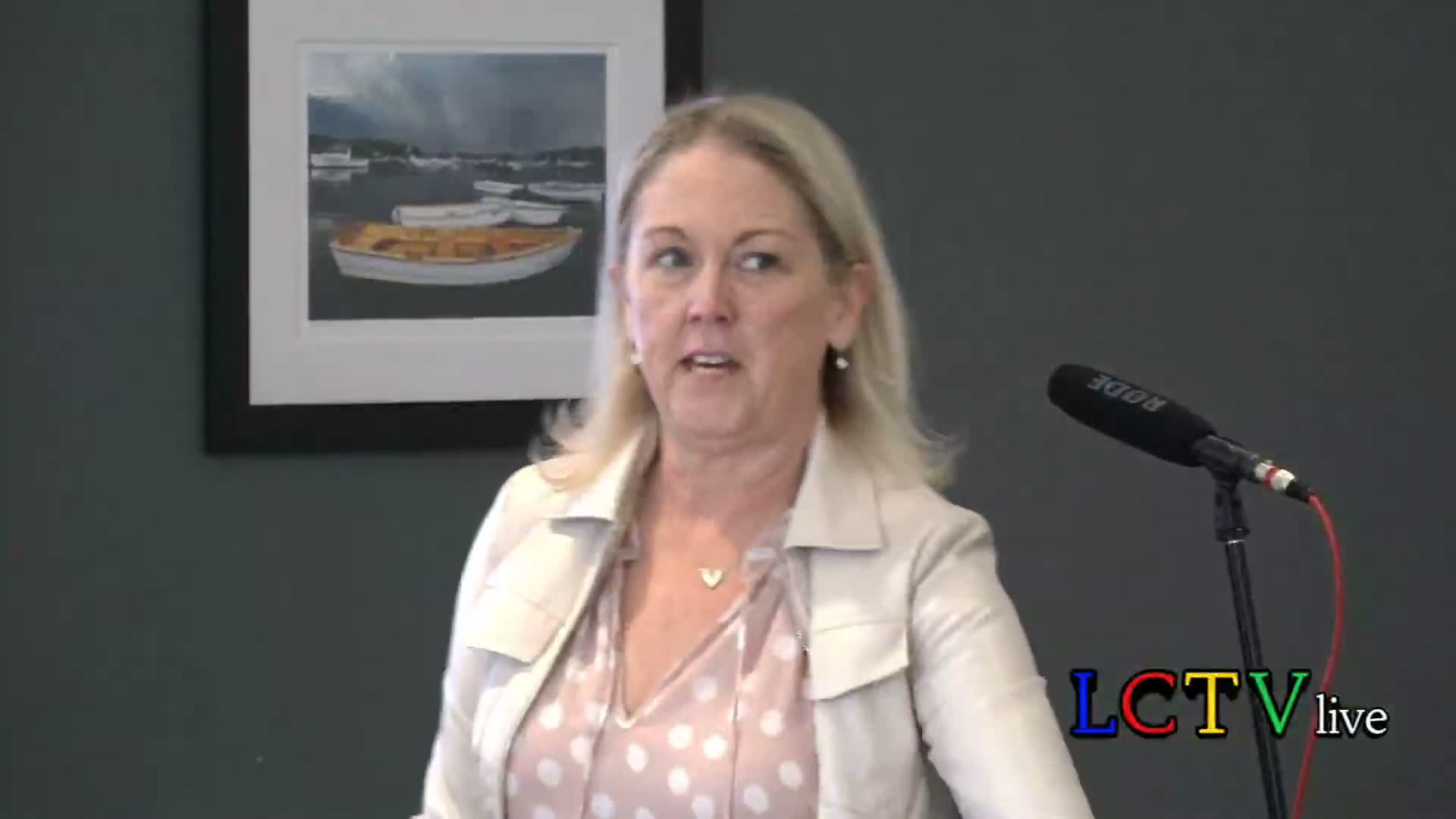
Summary
Jennifer Bryce, a speech pathologist at MaineHealth Lincoln Hospital, told a community briefing that occasional forgetfulness is normal but consistent cognitive changes that affect daily independence—problems with executive function, mood shifts, or visual‑spatial errors—should prompt screening and assessment.
Jennifer Bryce, a speech pathologist with MaineHealth Lincoln Hospital, told a Dec. 5 community briefing that distinguishing normal age‑related memory changes from dementia hinges on frequency and impact. "It becomes concerning when it affects your every day to day life," Bryce said, adding that early assessment can help identify treatable causes and link families to supports.
Bryce framed the talk around the "10 signs" of dementia and said Alzheimer's is the most common form but not the only cause of cognitive decline. She listed key warning signs she watches for in clinical practice: impaired executive function (difficulty solving and executing plans), persistent problems finding words, mood or personality change, visual‑spatial problems that can affect driving, and withdrawal from social activities. She cautioned that depression and anxiety can produce similar symptoms and recommended clinical screening when problems are frequent or interfere with independence.
During audience questions, Bryce said the key practical test is whether a person’s memory problems disrupt daily tasks such as managing medications, finances, or living safely at home. "If it disrupts your day to day life ... it would be a concern," she said, and recommended either a quick office screen or a more in‑depth cognitive evaluation depending on the situation.
Bryce acknowledged limits to what local clinicians can say about the state of cure research but urged better community supports. "That's why I wanted to come today ... the importance of early detection," she said, and emphasized respite and community resources for caregivers as an area of ongoing work.
The session closed with an offer that Lincoln Hospital can provide screening and referrals for cognitive testing and community support programs.