Get Full Government Meeting Transcripts, Videos, & Alerts Forever!
Get email alerts on the Hospital Lease topic
No spam. Unsubscribe anytime.
Douglas County authorizes 30-year lease to new nonprofit to govern local hospital
Summary
The Douglas County Board voted to authorize a 30-year lease and governance transfer of county hospital assets to a newly formed nonprofit; county-appointed reserved powers and requirements for continued community services were highlighted in the presentation by the county's attorney.
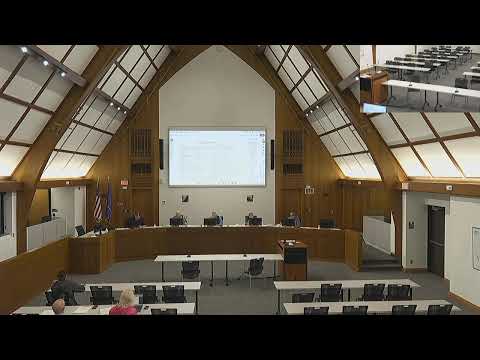
Tom Schroeder, an attorney with the firm Fagre Drinker Biddle, told the Douglas County Board that a Minnesota statute allows counties to lease hospital facilities to be run by nonprofit community hospitals and that the proposed transaction uses that authority to transfer governance to a new nonprofit while preserving county protections. "There is a statutory basis for what you're doing," Schroeder said, adding that the statute permits a 30-year lease with an option to review for additional 30-year terms.
Schroeder described the governance and legal protections built into the deal. The nonprofit's board would be privately composed, with one to two directors appointed by the county; its bylaws contain "reserved powers" that cannot be altered by the nonprofit itself and may be changed only with county consent after 90 days'notice. Those reserved powers cover changes to mission, sales or mergers of substantially all assets, and entering into third-party management agreements. "Through these reserve powers, the county and the county alone has the ability to prevent the nonprofit from being sold off, merged off, withered away, or otherwise managed away through third party transactions," he said.
The lease is structured as an "all in" instrument: it would cover nine listed parcels and any future-acquired real estate and assets used by the health system. Schroeder said the nonprofit would assume past, present and future liabilities of county operations and would not benefit from county tort-claim immunity; it must maintain required insurance (property, liability, directors and officers, workers' compensation, business interruption). Rent was designed to match the county's bond payments so the county remains whole on its revenue bonds and the nonprofit will reimburse out-of-pocket county expenses and pay an administrative fee equal to 2% of annual debt service.
Schroeder said the nonprofit can transfer up to 25% of leased property without county consent but that major transfers require approval, and that the nonprofit can'at its option'buy out the lease by paying off county debt. He framed the structure as preserving local oversight and continuity of essential services, including obligations to continue indigent and uninsured care and to carry forward existing medical staff bylaws and licenses.
Board members asked clarifying questions and made brief comments about the history of the process and the intent to limit county operational risk. Chair remarks noted the transaction would "relieve the county from being the insurance policy for Elomir," and a commissioner who had served on the hospital board said the county has been exploring nonprofit governance for several years.
The board then considered a motion to authorize execution of the lease and related agreement (referenced in the packet as resolution 25-68/2568). The motion was made, seconded and carried on a roll-call vote; the board authorized execution of the agreement.
The county will retain two appointment slots on the nonprofit board, reserved powers in the nonprofit bylaws, and an oversight role including the ability to act as a conduit issuer for future bond financing at the county's discretion. The board indicated it will continue oversight of the nonprofit's performance, including profitability and service continuity, after the effective transition date discussed by staff.
Next procedural steps identified in the presentation included further public questions at a later public session and finalizing the lease instruments and bylaws as part of closing preparations.