Get Full Government Meeting Transcripts, Videos, & Alerts Forever!
Get email alerts on the Mental Health topic
No spam. Unsubscribe anytime.
Mental health case manager describes treatment gaps for immigrant clients, urges support
Summary
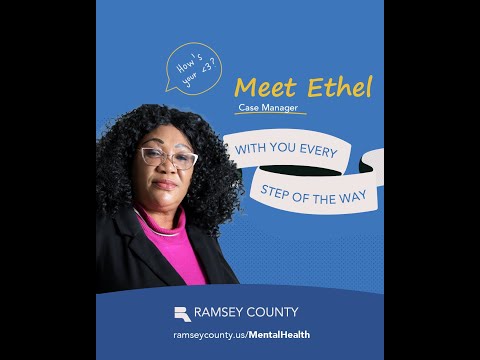
In public comment, mental health case manager Ethel Arista said many immigrants with serious mental illness lack treatment and described how case management and therapy provide coping skills and step‑by‑step support.
Ethel Arista, a mental health case manager, told the meeting in a public comment that many people she works with — including immigrants diagnosed with serious and persistent mental illness — arrive without ongoing treatment and rely on case management and therapy for coping skills.
Arista said she learned about clients’ needs while practicing immigration law after she moved to the United States. "I was a lawyer when I came to this country," she said, and later worked in immigration law before discovering that "they're struggling with mental health." She described a career shift from legal work to mental‑health services, saying, "I'm the kind of person I like to fight for people."
Arista outlined the role of case managers and therapists in helping clients develop coping mechanisms and manage daily challenges. "Mental health service is good because it gives people coping skills," she said. "And then they're learning from the case manager, they're learning from the therapist. We help them step by step how to manage their mental health." She added that many clients lack prior treatment: "Most of our clients, you know, when they come to you, they don't have anybody treating them."
Arista closed her remarks with a message of support for people seeking care. "There's medication, have people to talk to. Don't be alone. We are here for you every step of the way," she said.
The remarks were a personal account rather than a formal policy proposal; the transcript does not record any motions, votes, or requests for specific funding or program changes.