Get Full Government Meeting Transcripts, Videos, & Alerts Forever!
Get email alerts on the Addiction Services topic
No spam. Unsubscribe anytime.
Ramsey County facilitator urges prevention, spiritual support to overcome stigma in addiction care
Summary
Henrik Cyr, lead facilitator for Ramsey County’s co‑occurring program, said stigma deters many from seeking addiction counseling and urged a prevention‑focused, spiritually informed approach to recovery, stressing that recovery is an ongoing process.
Henrik Cyr, lead facilitator for the co‑occurring program with Ramsey County, told listeners that stigma prevents many people from seeking addiction counseling and that the county should emphasize prevention and continuous support. “Most of the time, nobody wanna come for addiction counseling because of this stigma,” he said.
Cyr, who said he has been with Ramsey County for about two years, described his personal path from pastoral work to addiction counseling and said he integrates spirituality into healing. “I have been advocating a lot about spirituality and recovery,” he said, adding that spirituality is an ongoing process rather than a single achievement.
The facilitator rejected the idea that recovery is a one‑time event. “Recovery is not a destination,” Cyr said, and he urged planning and ongoing effort to sustain progress. He used everyday examples to illustrate that a single action does not equal recovery and said clients and staff must 'juggle' responsibilities and plan for continuous work.
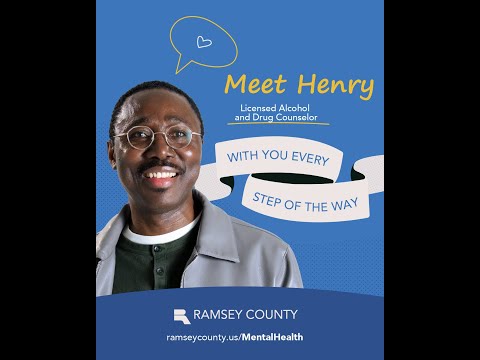
Cyr also listed drivers of mental‑health crises that vary by age: he said young people often struggle with uncertainty about their futures and older people worry about reputation and the consequences of past actions. He closed by offering program assistance, saying, “We are here for you every step of the way.”
The remarks focused on service delivery and outreach; no motions, votes, or formal county decisions were introduced during the segment. The presentation highlighted program perspective and prioritized lowering barriers to treatment, integrating spiritual supports, and long‑term planning as elements of prevention.