Lifetime Citizen Portal Access — AI Briefings, Alerts & Unlimited Follows
Beltrami County outlines AIS work after 2025 season; program faces 50% state funding cut in 2027
Loading...
Summary
County staff presented a year-end report on aquatic invasive species work: 3,828 boat inspections, 26 decontaminations, identification of two new starry stonewort populations, and 7,049 pounds of material removed. Staff warned a 50% cut in state prevention aid expected in 2027 would likely reduce the program budget to about $100,000 and described contingency plans.
Beltrami County staff presented the county's 2025 aquatic invasive species (AIS) prevention and management report and warned commissioners the statewide prevention aid that funds the program is expected to be cut in half in 2027.
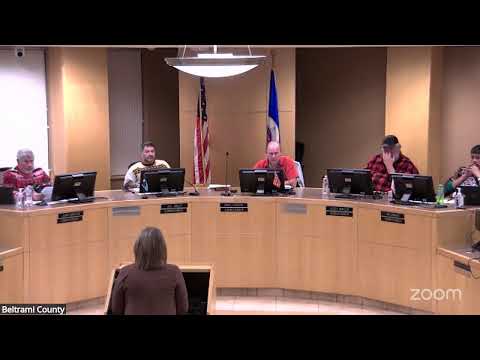
Brent introduced the presentation and noted staff and Callie Laver (identified in session as the AIS lake technician) were available to brief the board. The presenter (recorded in the transcript as Kelly) summarized 2025 activities: education and engagement events, a watercraft inspection season from May 30 to Sept. 7, 3,828 inspections, 26 decontaminations, and 2,028 inspector hours. Volunteers identified two new populations of starry stonewort at 3 Island Lake and Gull Lake during the statewide Starry Trek volunteer effort.
The presenter said the county conducted four invasive aquatic plant delineation surveys and removals at Pamush Lake, Big Turtle Lake, Lake Beltrami and Wolf Lake and reported harvesting 7,049 pounds (wet weight) of starry stonewort for composting. Program spending in 2025 relied on state prevention aid and donations; the presenter said Beltrami County received $204,218 in prevention aid in 2025 and expects $203,876 for 2026. Staff warned a planned cut to the statewide prevention aid from $10 million to $5 million in 2027 could reduce Beltrami's allocation to about $100,000.
Staff outlined program priorities if funding declines: maintain a small crew of inspectors (5—6 inspectors, 2,000-hours range), focus on early detection and rapid response (EDRR) adopted from the Minnesota DNR framework, collaborate with neighboring counties and tribes on shared water bodies, and host an AIS advisory committee in early 2026 to review the management plan and identify adjustments.
Board discussion touched on coordination with the Soil and Water Conservation District (SWCD) — staff said SWCD generally does not fund or staff watercraft inspectors and that AIS prevention aid is the primary funding source — and encouraged emphasis on early detection if funds decline. Commissioner Carlson encouraged residents to organize or join lake associations and offered staff assistance on Lake Bemidji outreach.
Why it matters: AIS infestations can spread via boats and trailers and impose ecological and economic costs to lakeshore communities. The program's potential funding cut would force staff and partners to prioritize detection and response and may reduce inspection coverage at public accesses if not offset by other funding.
Next steps: Staff will host an AIS advisory committee in early 2026, continue inspections and monitoring in 2026, and work to carry forward a modest fund balance while planning program adjustments to address the anticipated 2027 funding reduction.