Get Full Government Meeting Transcripts, Videos, & Alerts Forever!
Get email alerts on the Federal Disaster Funding topic
No spam. Unsubscribe anytime.
Consultants outline FEMA payment triggers, advance options as county weighs cash‑flow choices
Summary
Consultant John Veil told the commission FEMA will pay small projects to counties once projects are obligated (historically 30–60 days but currently 100–200 days); for the single large project (approx. $1.79M) counties can request a state advance of up to 50% to ease cash flow, with potential interest reimbursement for private financing under FEMA rules.
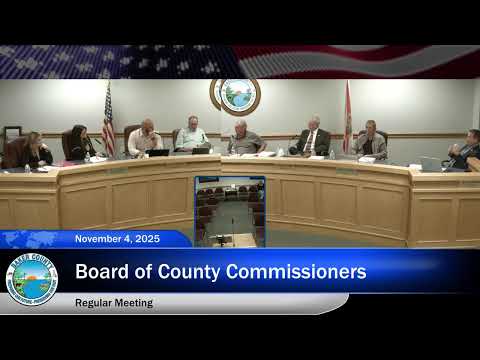
John Veil, representing the county’s FEMA project consultants, briefed the Baker County Commission on cash‑flow considerations for five FEMA public‑assistance projects totaling roughly $4.23 million. Veil said four projects qualify as small projects that, once obligated by FEMA, trigger automatic state payment queues; historically those payments arrived within 30–60 days, but county consultants cautioned about current backlogs stretching 100–200 days.
Veil highlighted that the one large project in the set — a road project currently estimated near $1.79 million — does not follow the automatic small‑project payment trigger. For large projects, he said, counties can request an advance from the state for up to 50% of costs once the project is obligated; additional advance requests can be made at specified progress milestones to reduce the county’s need to front funds. Veil also noted that if the county sought private financing to cover interim costs FEMA’s public‑assistance program may reimburse allowable interest on capitalized assets, subject to FEMA and state rules and documentation.
Commissioners asked whether contractors could bill the county before advances arrive; consultants replied that contract language typically restricts billing until specified completion thresholds (e.g., 50% completion) but that payments could be made earlier if the county prefers and has funds on hand. The board also discussed options such as the state LAP program (0% short‑term loan) and confirmed that staff will continue to coordinate with state and FEMA representatives to minimize county cash‑flow risk.
Veil and staff emphasized two practical next steps: (1) pursue advance requests for the large project if needed, and (2) ensure accurate, conservative RFPs and project cost estimates so that FEMA obligation amounts better match actual construction costs.