Get Full Government Meeting Transcripts, Videos, & Alerts Forever!
Get email alerts on the Hazard Mitigation topic
No spam. Unsubscribe anytime.
Lancaster County adopts updated 2025 Hazard Mitigation Plan amid FEMA funding uncertainty
Summary
Lancaster County commissioners unanimously adopted the revised 2025 Lower Platte South Resources District Hazard Mitigation Plan, which updates the 2020 roadmap for identifying hazards and projects; emergency management staff warned federal mitigation funding remains uncertain.
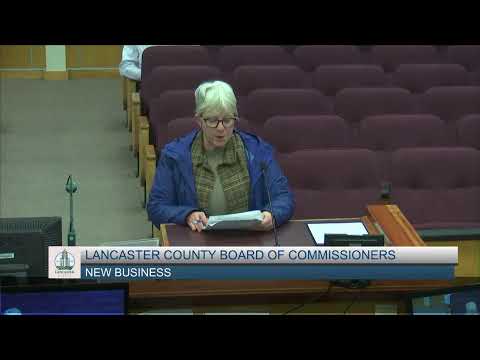
Lancaster County commissioners on Oct. 28 adopted the 2025 update to the Lower Platte South Resources District Hazard Mitigation Plan, a five-year revision intended to guide local hazard-reduction projects and planning.
Jim David Saver, director of Lincoln-Lancaster County Emergency Management, told the board the plan revises the 2020 document and “provides us the opportunity to work smarter, to give us the best opportunity to succeed.” He said the plan identifies risks, threats and hazards for Lancaster County and surrounding jurisdictions and focuses on protection and preservation of the physical environment, with life safety the primary concern.
Saver flagged uncertainty about future mitigation funding tied to the Federal Emergency Management Agency, noting changes in federal allocations could affect which projects receive money after a disaster. “What that looks like in the future, we just don't know at this time,” he said.
A commissioner asked about local participation in the National Flood Insurance Program and why some villages do not participate; Saver said opting in is an action for the individual community and that the emergency management office coordinates with subject-matter experts at the Lower Platte South Natural Resources District but is not the decision-maker on municipal enrollment.
The board moved to adopt the resolution approving the 2025 plan and approved it by roll call vote.
The plan, required to be updated on a five-year cycle, inventories hazards and identifies both carryover and new projects that would be eligible for mitigation funding; county staff said adoption is the first step before pursuing grants and project-level permitting.