Get Full Government Meeting Transcripts, Videos, & Alerts Forever!
Get email alerts on the Rewa Capital Plan topic
No spam. Unsubscribe anytime.
REWA tells Greenville County it plans nearly $1.6 billion in investments over 10 years
Summary
Renewable Water Resources told the County it expects to invest close to $1.6 billion from 2026–2035 in wastewater infrastructure, citing 165,000 customer accounts, nine treatment facilities, and a funding mix of rate revenue, new‑account fees, state revolving funds and bonds.
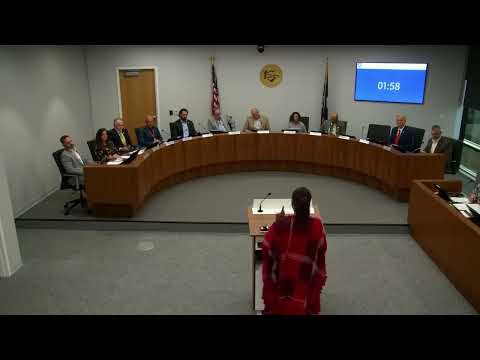
Renewable Water Resources (REWA) presented an overview of operations and a 10‑year capital plan to the Greenville County Council, saying the agency expects to invest close to $1.6 billion between 2026 and 2035 to expand treatment capacity, renew pipes and meet growing service needs.
Rebecca West, a REWA speaker, told the council REWA serves about 165,000 customer accounts — roughly a half‑million people across the Upstate — and operates nine treatment facilities and roughly 430 miles of pipe. She said REWA employs about 230 staff and manages roughly $6 billion in public assets.
The nut graf: REWA laid out major upcoming projects and how they would be paid for. Key projects include the Conestee Pump Station (to redirect flows between plants), an expansion of the Swamp Rabbit Trail collection system to support downtown and nearby areas, and expansions of three treatment facilities that have reached capacity. REWA estimated the combined capital program to be “close to $1,600,000,000” over the next decade.
On funding, REWA said its primary revenues come from customer water and wastewater bills and new‑account fees collected when new homes or businesses connect; West described new‑account fees as being calculated from capital plan needs and noted REWA also pursues low‑interest loans from the State Revolving Fund, revenue bonds and public‑private partnerships. She said the SRF borrowing rates can be “less than 3%,” which helps keep borrowing costs lower for ratepayers.
REWA highlighted sustainability efforts: a biosolids program that provides an estimated 48,000,000 gallons of fertilizer annually to local farmers (valued at roughly $1 million), use of solar energy and generation of heat and electricity from treatment processes, and reuse initiatives such as oyster‑shell recycling to support coastal restoration.
Councilors asked technical and policy questions about odors and rate equity. One councilor asked whether REWA assessed an impact fee; REWA replied that the new‑account fee functions in a similar role and that its calculation is based on the capital plan and needed infrastructure costs. REWA offered follow‑up conversations for council members seeking details.
What this means for residents: REWA’s plan signals substantial capital work ahead that may influence connection fees and rates over time; REWA emphasized balancing new‑customer costs with protections for existing low‑income ratepayers.