Get Full Government Meeting Transcripts, Videos, & Alerts Forever!
Get email alerts on the Resource Extraction topic
No spam. Unsubscribe anytime.
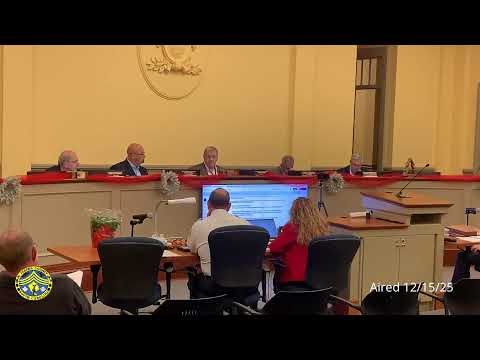
Council approves first reading of development agreement for 264‑acre extraction site after lengthy public concerns
Summary
Council approved first reading of a development agreement allowing resource extraction on roughly 264.53 acres with conditions for noise, hours, stormwater, reclamation bonds and an escrow for road maintenance; residents raised concerns about truck traffic, groundwater and endangered species and asked for DHEC/SCDNR review.
The Jasper County Council voted to approve first reading of a development agreement with Hires/Harris Pine Level LLC that would govern a proposed resource‑extraction operation on approximately 264.53 acres (TMP 052‑00‑03‑012).
Lisa Wagner, planning staff, summarized required mitigation the agreement would impose: operational hours that the council must set, noise‑abatement best practices, an average noise limit of 55 decibels measured at 1,000 feet, stormwater and sediment controls, a reclamation plan with bond requirements and an escrow account to cover road maintenance caused by heavy truck traffic. Wagner said the agreement and a concurrent rezoning application would still require DHEC permits and site‑plan review before any extraction could begin.
Donna K. Cope McKeever, who identified herself as a third‑generation Jasper County landowner near the Graves community, urged denial of rezoning and said the site provides habitat for native species including the endangered gopher tortoise. "This rezoning will result in large scale destruction of native habitat for the many native species that all of us in Jasper County value," McKeever said, asking that the county request review and input from the South Carolina Department of Natural Resources. Another nearby resident, Nancy Wethorse, asked whether well tests and monitoring would be required and whether truck routes could be moved to reduce safety risks near her home.
Council members pressed staff and the developer’s representative on technical safeguards, the depth of extraction, and who would be responsible for ongoing monitoring and road repairs. Several council members favored limiting operations to five days a week rather than six to reduce weekend truck traffic; the proposed hours and weekend schedule remained to be finalized by the council. Staff said environmental and permitting concerns would be addressed during site plan review and required state permits; Wagner said SCDNR/DHEC reviews could be requested as part of the process.
The council approved first reading and opened the item to a required public hearing; because the development agreement sets enforceable conditions (noise limits, bonds, reclamation, escrow) the action advances the rezoning and permitting pathway rather than authorizing extraction immediately.
Next steps: the development agreement and rezoning proceed to required statutory hearings and site‑plan, environmental and DHEC reviews; council flagged the need for annual reviews and staff said it will include monitoring and bond provisions in the final agreement.