Get Full Government Meeting Transcripts, Videos, & Alerts Forever!
Get email alerts on the Civic Education topic
No spam. Unsubscribe anytime.
Knox County junior-commissioner program offers hands-on civics experience for high schoolers
Summary
Students and program speakers at a Knox County meeting described a three-month Junior Commissioner Program that pairs high school juniors and seniors with elected officials to job-shadow, draft resolutions, vote in mock sessions and visit county facilities; applications are online.
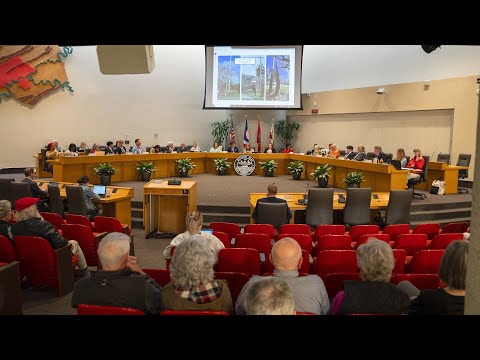
At a meeting in Knox County, participants described the Junior Commissioner Program as a three-month, hands-on civics opportunity for high school juniors and seniors to job-shadow elected officials and learn how local government works.
The program "is a great way to engage high school students with civics leadership," said Speaker 2, an unidentified program speaker. Organizers presented the program as a mix of observation and active duties: junior commissioners "will sit on stage, they'll vote with us," Speaker 2 said, and students "will run their own meeting" and draft "their own resolutions and ordinances," Speaker 1 added.
Students who took part said the experience emphasizes real-world exposure. "The junior commissioner trip that I enjoyed the most was the Knox County correction facility," Speaker 4, a junior commissioner, said. Participants described meeting real county officials, asking questions about how government decisions are made and bonding with peers.
Speaker 3, a junior commissioner, said the program helped them "learn about the other side" of government after working in local campaigns and that serving as chair of a junior commission gave practical experience: "being there and actually doing it ourselves was a really whole different other experience."
Organizers said the program is open to juniors and seniors from public, private and home schools. The application process is digital; Speaker 4 said it "probably took like an hour," and Speaker 2 said administrators "made it all digital and all online." No formal votes or policy actions were recorded in the transcript excerpt.
The speakers in the record are identified in the transcript only by numeric labels (Speaker 1 through Speaker 4); the meeting body that hosted the remarks is not specified in the transcript. The account above relies solely on statements in the provided transcript excerpts.