Get Full Government Meeting Transcripts, Videos, & Alerts Forever!
Get email alerts on the Veterans Housing topic
No spam. Unsubscribe anytime.
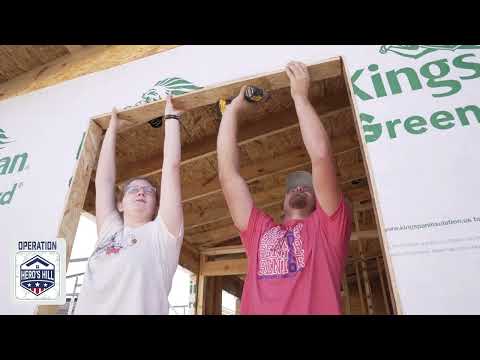
South Dole students say they built 20 tiny homes for homeless veterans
Summary
Students at South Dole described a class project to build 20 tiny homes intended for homeless veterans, saying nearly all construction was student-led and that seniors carried most of the labor. Organizers did not specify a timeline or how units will be allocated.
Students at South Dole described a school project to build 20 tiny homes intended for homeless veterans, saying nearly all of the construction work has been done by students.
Student 1, a student at South Dole, said, “They're going to build 20 tiny homes for homeless veterans,” and added that “about 99% of it's been built by students here at South Dole.” Student 1 said the majority of the labor has been handled by a small group of seniors with assistance from sophomores.
The project is intended both to provide housing and to give students hands-on construction experience. Student 2, who said they take a leadership role in the class, described overseeing peers to make sure “everyone's doing what they need to do,” and called the effort “really nice to build something like this that has such a big purpose for our community.”
Student 3, who said this is their fourth year in the class, said the project offered more intensive, real-world experience than prior class assignments: “We've learned a lot more from this and the fact that it's not just like a shed but an actual like living place.” Participants highlighted that building a dwelling requires more precise work and attention to details that would matter to an occupant.
Students framed the project as providing a lasting community benefit. “Even even if this veteran doesn't stay in this house for their the rest of their life, someone's gonna have this house after that,” Student 2 said, adding that knowing the homes will remain in the county made the work particularly rewarding. Student 3 said the experience felt like “leaving something behind in the community before I graduate.”
Organizers did not specify a timeline for completion, the source of long-term funding, or the process for how the tiny homes will be allocated to veterans; those details were not provided in the transcript.