
Residents recall Palm School and say highway construction split East Austin community
Get AI-powered insights, summaries, and transcripts
Subscribe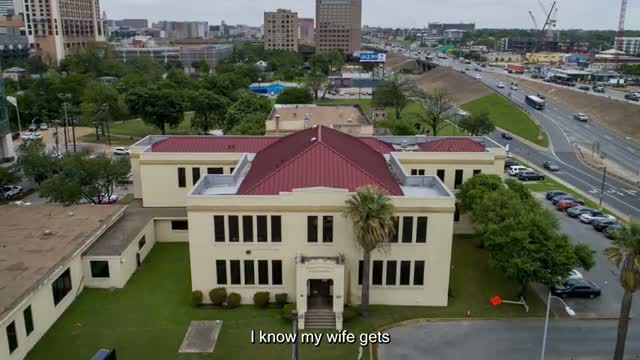
Summary
Unidentified residents shared memories of Palm School and described how construction of I‑35 in the mid‑20th century changed neighborhood life, forced children to cross a busy highway, and pushed back cultural traditions.
Unidentified Resident 1 said passing the Palm School still stirs memories: "The Palm School the stone building is still there. That's where we used to play kickball." Several residents used the public‑comment time to recount the role the school and neighborhood played in their lives.
Unidentified Resident 2 described the area as "a thriving neighborhood, Mexican American neighborhood" located close to downtown, where families walked everywhere and the school was central to community life. "Everybody knew each other," the speaker said, emphasizing informal local networks that supported children and families.
Multiple speakers highlighted how mid‑century infrastructure changed daily life. Unidentified Resident 8 said construction of Interstate 35 — which replaced what had been East Avenue — "caused more of a schism between the communities," forcing children from East Austin to cross the highway to reach schools. "That was dangerous to them," Unidentified Resident 3 added.
Speakers also described positive impacts of the school itself. Unidentified Resident 6 recalled being placed in fourth grade with "Mrs. Reyes," calling her "a very, good teacher, very patient" who helped students learn English. Unidentified Resident 5 said the neighborhood's "beautiful acts of kindness" and the love residents showed one another shaped lives and opportunities.
Several commenters framed the memories as a call to remember and, where possible, revive local culture. Unidentified Resident 3 said "all that love is still there" despite being "pushed back," and suggested that if a small group worked together they could help children appreciate their cultural heritage.
The remarks were personal recollections rather than proposals tied to a formal agenda item; no motions or official actions were recorded in the transcript. The speakers portrayed Palm School as a focal point of neighborhood life and described the lasting effects of highway construction and demographic change on community cohesion.