Get Full Government Meeting Transcripts, Videos, & Alerts Forever!
Get email alerts on the Timeshares And Tourist Homes topic
No spam. Unsubscribe anytime.
Planning commission debates timeshare exclusion, lodging-tax enforcement under Virginia law
Summary
Commissioners discussed whether timeshares can be treated differently from other short-term rentals under the Virginia Real Estate Timeshare Act, debated registry fees and raised concerns that fractional ownership could be used to avoid lodging taxes.
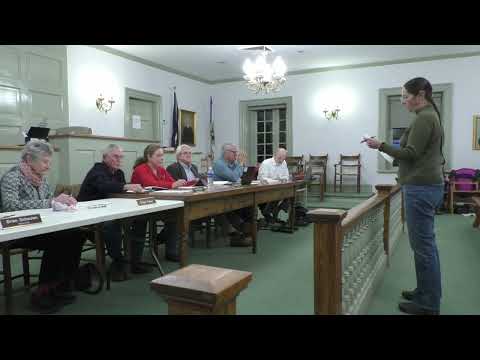
Rappahannock County planning commissioners spent part of their meeting weighing whether timeshare projects should be treated differently from other short-term rentals and tourist-home regulations, and whether the county can or should charge a registry fee.
Why it matters: The discussion touched on the county’s ability to enforce lodging taxes and register short-term-rental operators. Commissioners flagged a possible loophole whereby fractional ownership or timeshare arrangements could be used to offer short stays while avoiding registration or oversight.
Code citations: Brian (speaker) and staff cited Rappahannock County code sections and the Virginia Real Estate Timeshare Act, saying state law can limit local zoning and registration authority. Brian read the relevant code references aloud to the commission during discussion.
Key points and concerns: Commissioners asked whether a timeshare unit used for occupancy periods of less than 30 days would be treated as a short-term rental subject to lodging tax. A staff member noted that short occupancy periods generally trigger lodging-tax obligations: “If they’re renting rooms for less than 30 days they owe us lodging tax,” the staff member said.
The commission discussed registry fees; county treasurer and commissioner of revenue had previously expressed reluctance to impose a registration fee that might discourage voluntary registration, preferring to encourage compliance so lodging taxes are paid. Commissioners agreed to examine options and noted that whether timeshares can be regulated differently may be constrained by state law.
What’s next: The commission agreed to continue looking into the issue, particularly enforcement mechanisms and whether the county needs code updates to address timeshare arrangements and clarify registration and taxation.