
Board of Supervisors debates switch to zero‑based budgeting, flags need for department engagement
Get AI-powered insights, summaries, and transcripts
Subscribe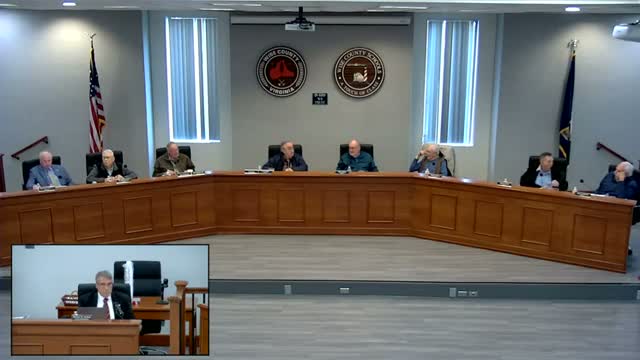
Summary
An unidentified speaker on the Wise County Board of Supervisors proposed exploring zero‑based budgeting, urging department heads to justify requests rather than relying on historical allocations and warning that cutting benefits could jeopardize staff retention.
Speaker 1, an unidentified participant in the Wise County Board of Supervisors meeting, proposed that the county consider adopting zero‑based budgeting for major budget decisions, saying the county’s current approach “doesn't seem to produce the results that we're looking for.”
The speaker described zero‑based budgeting as beginning each budget cycle from scratch and requiring departments to justify their spending requests. “If you start out with nothing, then you got to come to us with something showing a budget…You get nothing until you come to us and tell us what you need,” Speaker 1 said, arguing the model would increase department head engagement and ownership of budget priorities.
Speaker 1 and other participants noted inconsistent participation from department heads under the current process and urged greater departmental involvement. The meeting transcript records a suggestion that county staff reach out to Culpeper County for information and possibly invite a Culpeper representative to explain how that county uses zero‑based budgeting.
On the floor, Speaker 1 also cautioned against immediate cuts to employee benefits as a primary cost‑saving measure, saying, “Because if you start taking away benefits, you start losing good employees.” That comment framed an expressed preference to prioritize other savings or efficiency gains before reducing benefits or salaries.
Discussion also touched on practical approaches to drafting reductions, with Speaker 1 asking whether the board at any point had requested departments to present uniform percentage reductions (for example, 3%) as a simple mechanism to meet targets. Several speakers raised process concerns about how the budget document is reviewed during meetings — one member asked whether the board should stop paging through the document at 30 seconds per page and find a more productive way to disseminate materials so supervisors can prepare substantive questions.
The transcript does not record a formal vote or directive to adopt zero‑based budgeting. No implementation timeline, specific dollar figures tied to a zero‑based plan, or assigned follow‑up tasks were recorded in the available transcript. The board discussed consulting another county and improving department engagement as next steps.