Get Full Government Meeting Transcripts, Videos, & Alerts Forever!
Get email alerts on the Emergency Medical Services topic
No spam. Unsubscribe anytime.
Marquette County panel weighs shifting EMS funding, staffing and service levels
Summary
County officials and EMS leaders discussed options to sustain emergency medical services — including shifting costs to towns, changing service levels and hiring two positions intended to cut overtime — and flagged possible revenue losses if paramedic-level service is reduced.
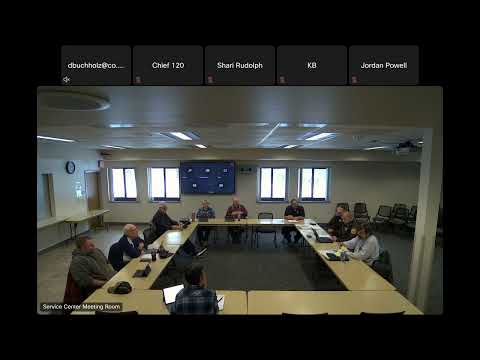
Marquette County committee members spent the bulk of the meeting examining the future of county-run emergency medical services, debating funding models, staffing plans and operational rules that determine what level of care the county may provide.
Unidentified Speaker 3, who presented the EMS report, reviewed November call volumes and staffing: six recent hires are in field training and two full-time employees will be reassessed before running solo. The speaker also described a plan to add two positions approved in the 2026 budget and said filling those posts could eliminate a routinely open 24-hour shift and reduce extra overtime.
Board members raised several financing options. Unidentified Speaker 3 said Richland County’s model — where townships and municipalities share EMS costs — is one template under consideration. Unidentified Speaker 4 and others cautioned that shifting the cost from county general funds to towns and villages would still leave the same taxpayers bearing the expense and could simply move the burden to municipal budgets that have dedicated constraints on shared revenue.
Participants emphasized legal and operational limits tied to service level. Unidentified Speaker 3 explained that if the county seeks to reclassify from a paramedic (ALS) service to a basic life-support (BLS) level, it would need public hearings and municipal approval and could lose significant shared revenue and higher billing rates tied to ALS transports.
On budgeting and overtime reporting, Unidentified Speaker 3 said the county’s 56-hour workweek is currently annualized in salary lines and separated from overtime; the committee agreed to change reporting practices for future budgets so overtime and base pay are clearer. Unidentified Speaker 6 cited an internal analysis suggesting the new staffing model could yield up to $300,000 in savings over time, while other members urged monitoring six to eight months after hires before concluding whether savings materialize.
Next steps: the committee asked staff to compile clearer municipal-level response data (who responded and how often), provide estimated revenue impacts if service levels change (figures cited in discussion ranged from roughly $200,000 to $250,000 in lost revenue in one scenario), and begin union negotiations in early 2026 as part of planning for the 2027 budget.