Get Full Government Meeting Transcripts, Videos, & Alerts Forever!
Get email alerts on the Open Streets Program topic
No spam. Unsubscribe anytime.
DOT opens 2026 Open Streets application, adds school supports and new corridor rules
Summary
The Department of Transportation said the Open Streets application is open and outlined 2026 changes including expanded school resources, new concession guidelines for commercial corridors, and altered rules for operations on bus and truck routes; deadlines and funding details were provided.
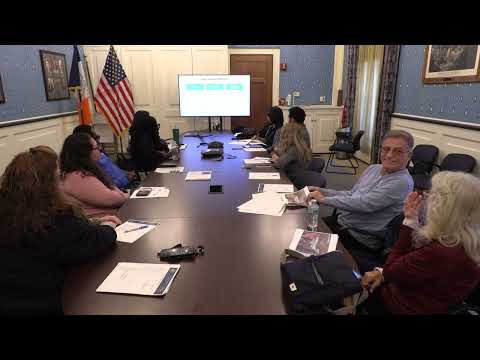
The Department of Transportation opened its 2026 Open Streets application and told the Richmond County board it will expand supports for school partners, add concession seating guidelines for commercial corridors and change how events operate on bus and truck routes.
"We had more sites in general, including here in Staten Island than ever before," Stephanie, a DOT presenter, said, describing 2025 as the program's largest season. Stephanie said the program saw nearly 150 events across the five boroughs and expects more activity in 2026.
DOT described three event types: limited local access (pedestrian- and bicycle-centered with some limited vehicle access), full closure (no vehicular traffic, allowing outdoor dining and programming) and school-focused full closure (designed to accommodate pickup, drop-off, outdoor learning and recess). "Schools are our number one partner," Stephanie said, and DOT said it will expand its resources and operational supports for school applicants.
Application requirements include a site plan, a management plan, an outreach plan, three letters of support and a budget proposal (DOT said schools are not required to submit a budget proposal). Key deadlines given by DOT: the application opens in October; the deadline for full closure and limited-local-access applications is January 31; schools seeking programming for an academic year have until March 31.
DOT said funding is provided on a reimbursement basis and is organized into three buckets—staffing/management, operations and programming. The agency described an equity model that adjusts support by neighborhood need and said it provides furniture, signage and barrier infrastructure to partners. DOT also said applications undergo an internal DOT review and are routed to partner agencies including NYPD for approvals; provisionally approved applicants receive notification letters and local elected officials and community boards are informed.
Residents asked how Open Streets would accommodate seniors and people with disabilities. "Different Open Streets operate differently," Stephanie said, noting some events are passive and easier to navigate; for busier events DOT said it can provide additional barriers and delineation so people and bicycles can move safely. She emphasized outreach and an operations plan that includes homeowner access and schedules for pickups and drop-offs.
DOT directed applicants with questions to their borough office and said staff can share sample site plans, sample letters of support and budget templates. The presentation concluded after board members and residents discussed candidate streets and school participation.
The DOT presentation did not include formal voting; the agency said decisions on applications typically arrive to applicants in the spring and summer after internal and interagency review.