Get Full Government Meeting Transcripts, Videos, & Alerts Forever!
Get email alerts on the Immigration topic
No spam. Unsubscribe anytime.
Community members urge Hudson County to consider local protections as ICE arrests rise, commissioners pledge review
Summary
A Jersey City resident told commissioners that ICE arrests in New Jersey have surged and urged county steps — such as law‑enforcement identification requirements and sanctuary protocols for schools and hospitals; commissioners agreed to research options and suggested possible resolutions or ordinances.
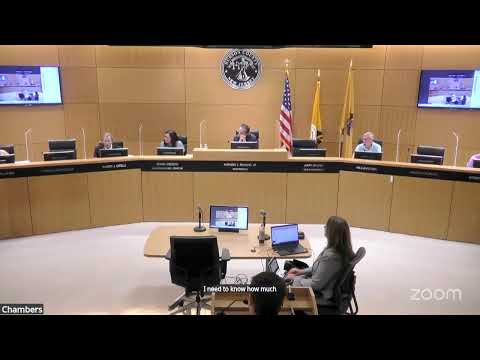
During public comment July 17, Courtney Walker, a Jersey City resident, told the Hudson County Board of County Commissioners she was concerned about escalating ICE activity and urged county action to protect immigrants, students and other vulnerable residents.
Walker said ICE arrests in New Jersey rose 70% in 2025 and asked whether the county had ordinances requiring visible identification for all law‑enforcement agents operating in county limits, prohibiting local cooperation with ICE absent warrants, and whether the board was working with local schools and hospitals on sanctuary or rapid‑response protocols. She also criticized the meeting’s midday timing, noting it limited participation by working residents.
Commissioners responded that the issues raise significant jurisdictional and legal questions, but several pledged to research what actions the county can take, including ordinances or resolutions, and to seek reports from schools and county colleges about existing policies. One commissioner offered to sponsor an ordinance requiring visible identification for law‑enforcement personnel in county buildings if legal counsel finds it permissible.
County officials said they would consult the county council, prosecutor’s office and other legal authorities and report back at a future meeting. Commissioners discussed practical measures the county can take — such as requesting sheriff‑office policies and using county resources to support affected families — while acknowledging limits on county authority over federal actions.