
Principal Kenisha Slowly outlines school steps to support students diagnosed with autism
Get AI-powered insights, summaries, and transcripts
Subscribe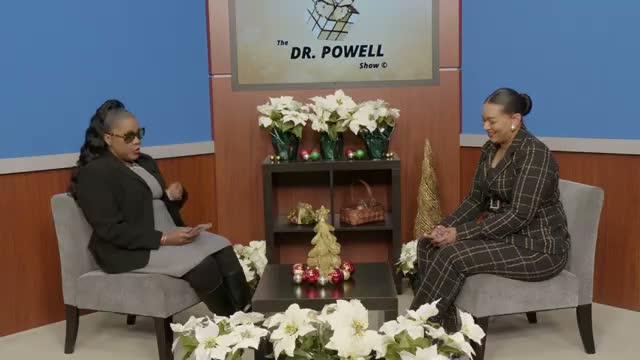
Summary
In a Doctor Powell Show interview, principal Kenisha Slowly described practical steps schools can take to support students diagnosed with autism: early assessment during the first six weeks, family engagement and familiarization visits, universal design for learning, targeted professional development, and community partnerships.
Dr. Keisha Powell interviewed principal Kenisha Slowly on strategies schools can use to support students diagnosed with autism, focusing on early assessment, classroom adjustments and stronger family and community partnerships.
Slowly, who said she has worked in education for more than 23 years and is founder and CEO of Nexcellence, emphasized using the first six weeks of the school year "to assess the needs of the students at the beginning to tailor the supports," recommending a mix of informal observations and diagnostic assessments to identify individual needs.
"The first 6 weeks of school is a great opportunity where teachers are engaging in getting to know their students," Slowly said, describing that period as essential for understanding learning preferences and social-emotional needs.
She highlighted classroom-level changes that can reduce barriers for neurodivergent learners: noise-cancellation options, flexible seating, attention to student proximity to the teacher, clear routines and visual supports. Slowly also urged schools to prioritize social-emotional learning and ongoing home–school conversations so families and staff can align supports.
Slowly described concrete steps that eased an anxious family's transition for a child moving from a small, self-contained pre-K setting to a large preK–8 school: multiple summer visits to the playscape and classrooms, meetings between staff and the family, targeted playground introductions with incoming peers, and a kindergarten-only open house. The approach aimed to build familiarity and a sense of belonging before the school year began.
On staffing and training, Slowly said identification of students with special needs has increased in recent years and caseloads have risen, calling for "real-time" professional learning, peer observation, and teacher walkthroughs so general education teachers can adopt proven strategies used by specialized staff.
She also raised concerns about crisis-response capacity, noting the need to ensure staff have strategies and resources to support students in crisis.
Looking beyond individual schools, Slowly called for a cultural and policy shift: "promote a mindset that values diversity and recognizes neurodiversity ... rather than an asset than a challenge," she said, and urged increased funding, updated, research-based training, and policy revisions to prioritize inclusion. She argued community partnerships and data-driven decision making are essential to identify gaps and celebrate successes.
Dr. Powell closed by thanking Slowly and noting listeners can find contact information for Slowly on the Doctor Powell Show and ask questions via powelltherapysolutions@gmail.com. The program also mentioned a GiveButter donation link for the show.