Get Full Government Meeting Transcripts, Videos, & Alerts Forever!
Get email alerts on the Social Services topic
No spam. Unsubscribe anytime.
Commissioners hear county update on SNAP, WIC and senior meals amid federal funding uncertainty
Summary
Beaufort County DSS and WIC staff briefed commissioners on contingency arrangements as federal SNAP and WIC funding faces uncertainty; staff said certification work must continue locally even if benefit issuance pauses and noted limited local capacity to replace federal benefits.
Beaufort County social‑services leaders updated commissioners Oct. 28 about how a partial or full federal government funding lapse could affect local benefits programs.
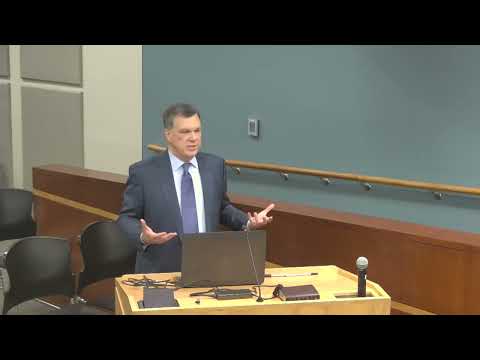
Bridal (county staff) summarized information from statewide calls and the North Carolina Association of County Commissioners: early guidance had indicated SNAP funding might cease Nov. 1, but subsequent directives and media reports suggested contingency funding or partial funding could be used. County staff said they had not yet received conclusive state guidance. "If the program ceases…it does not stop Beaufort County from having to continue to recertify people and certify new people," Bridal said, explaining that county staff are required to keep processing applications and recertifications even if federal benefit issuance is paused.
DSS staff provided local figures: 8,374 individuals (4,465 cases) are enrolled in SNAP in Beaufort County; the congregate senior nutrition site serves roughly 20–30 meals a day and home‑delivered meals are about 71–72 daily. WIC staff reported WIC operations can continue through Nov. 30 with state support and estimated WIC caseload at about 800 participants (approximately 247 on formula distribution and ~50 breastfeeding participants).
Staff said contingency planning includes coordination with United Way, Salvation Army and local food banks, and encouraged donations and volunteer support while cautioning that community resources cannot equal the scale of SNAP benefits. Commissioners requested that DSS and related departments provide additional historical data on caseload growth since 2020 and further cost detail for administrative reimbursement so the board can understand the county's exposure.
The board did not authorize county funding to replace SNAP benefits; staff noted counties do not have the ability to load federal benefit cards and that administrative work continues even if reimbursement may be delayed.