Get Full Government Meeting Transcripts, Videos, & Alerts Forever!
Get email alerts on the Occupancy Tax topic
No spam. Unsubscribe anytime.
Board hears briefing on lodging occupancy tax, residents urge countywide TDA
Summary
A Magellan Group consultant briefed Beaufort County commissioners on how a countywide lodging occupancy tax and Tourism Development Authority (TDA) could be formed, and two public commenters urged countywide inclusion of short‑term rentals as a revenue source.
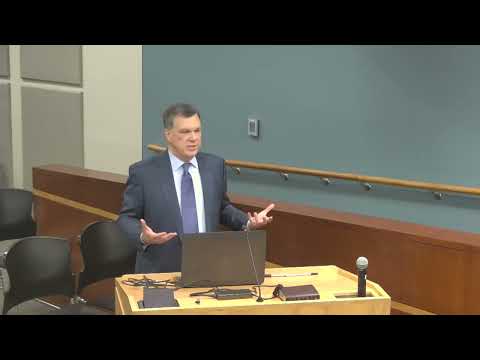
The Beaufort County Board of Commissioners heard a presentation on Oct. 28 about creating a county lodging occupancy tax and a tourism development authority to invest revenue in local tourism infrastructure and promotion. Commissioner Tandy Dunn invited Chris Cavanaugh of the Magellan Group to explain how TDAs are created by specific acts of the North Carolina legislature and how the revenue may be spent.
Cavanaugh told the board that state law generally requires at least two‑thirds of occupancy‑tax revenue be used to promote tourism and allows up to one‑third for tourism‑related expenditures such as convention or meeting facilities, visitor centers, wayfinding and capital improvements. He said most local occupancy tax rates now are 6 percent and that the total rate cannot exceed 6 percent in most places (Mecklenburg County is an exception at 8 percent under a specific local authorization). Cavanaugh also explained collection mechanics for short‑term rentals, saying platforms such as Airbnb and VRBO now collect and remit taxes directly when enabled and that the county finance office would administer collection if a local tax were approved. He recommended tools such as AirDNA to estimate short‑term rental revenue for a feasibility study.
Two residents urged the commissioners to pursue a county TDA so rural parts of the county can receive tourism investment. Carol, identified as Belhaven Chamber executive director and an Airbnb owner, said she used ZIP‑code counts and a conservative estimate of short‑term rental activity to calculate a potential annual occupancy‑tax yield and provided receipts showing hotels and platforms collect occupancy tax. "We're not getting it. We should be," she said. Another resident from Aurora made a similar plea, saying small towns could use the revenue to support local businesses and amenities.
Commissioners asked practical questions about identifying liable hosts who do not use platforms and how to notify property owners; Cavanaugh said finance staff could notify affected businesses, advertise requirements via the annual property tax statement, and that platform remittances simplify enforcement when platforms are enabled. Commissioners asked staff to follow up with additional analysis and revenue estimates.
The board did not take action on creating a tax or authorizing a study during the meeting; staff said a legislative act would be required for a countywide TDA and any tax would be created through the General Assembly for the specific jurisdiction.
The next step discussed was conducting a feasibility study and getting more precise revenue estimates for different parts of the county before any formal legislative request.