
Tribal representative urges mental-health board inclusion as county and tribe confront transport bottlenecks
Get AI-powered insights, summaries, and transcripts
Subscribe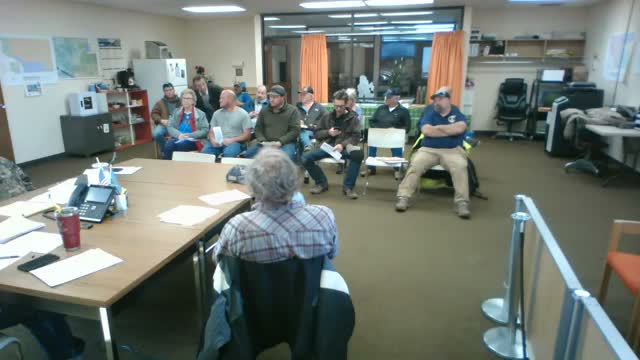
Summary
Peter Lenkeek and other speakers told commissioners that Chamberlain accepts mental-health referrals only from the Buffalo County mental health board, highlighting transportation gaps and the need for tribal representation on the board to streamline urgent referrals and transfers.
At the Buffalo County Commission meeting, Peter Lenkeek, who identified his background in behavioral health, asked to be considered for an open seat on the county mental health board and described repeated difficulties arranging urgent transport and referrals for tribal members.
"I don't know why, Chamberlain will not accept a referral from a federal facility. They only accept a referral from the mental health board of Buffalo County," Lenkeek said, describing a case where rapid transport to Sanford in Sioux Falls helped save a young woman’s life. He urged the commission to open board positions to tribal members to expedite referrals.
County speakers and law-enforcement representatives described the procedural steps for involuntary commitment and how those steps interact with transport capacity. One county staffer summarized the process: a complaint or information goes to the mental health board chair or county attorney; the mental-health attorney reviews and determines whether an evaluation by a qualified mental-health professional (QMHP) is necessary; only then can transportation and placement proceed. The record also noted that intoxication or bed shortages often delay evaluations and that officers may be required to sit with people at hospitals until assessments are completed.
Commissioners acknowledged transportation is a structural issue and said they would consider board appointments during their January reappointments and explore available prevention-grant funding, including opioid-settlement and state grant opportunities, that could support local services. A tribal representative reported use of opioid-settlement funds to construct a dual-diagnosis treatment center that will serve tribal and non‑tribal residents once water infrastructure and final steps are completed.
No formal vote on appointments took place at the meeting; commissioners said they would review board appointments in their January cycle.