Get Full Government Meeting Transcripts, Videos, & Alerts Forever!
Get email alerts on the Local Government topic
No spam. Unsubscribe anytime.
Community board members warn ballot measure to centralize mapping duties could slow routine services
Summary
Board members debated a forthcoming ballot question that would remove borough presidents' topographical/map responsibilities and centralize those functions; speakers warned the change could create backlogs for routine tasks such as house‑number verifications and street‑sign requests.
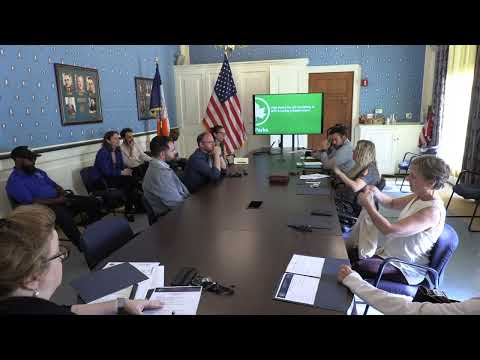
During new business, board members discussed a charter amendment on the November ballot that would change how mapping and topographical functions are maintained across the city. Several board members said the amendment would remove the borough presidents' requirement to maintain local mapping duties and shift responsibilities to a centralized unit, likely within City Planning.
Multiple speakers warned that centralizing the function could create delays for routine constituent services that now pass through borough presidents' offices. "It's just gonna be an overall disaster," one board member said, arguing that tasks that previously took minutes locally could take much longer under a centralized system. Board members noted all five borough presidents oppose the change and expressed concern about how a new centralized unit would handle high volumes of requests such as house numbers, maps for sewer or road projects, and verification requests tied to permits and acquisitions.
Board members gave examples of prior delays when centralized review was required, saying that projects such as sewer or street work experienced extended timelines and that private entities with resources (for example, large developers) could move faster than individual constituents through any new centralized process. Staff responded that communications materials and short briefings are being prepared to explain the ballot language to constituents and offered to provide boards with one‑page summaries and videos for outreach.
A routine motion to approve the June meeting minutes was made and seconded ('Elena' moved, 'Debbie' seconded); the transcript does not record a vote tally for that motion. The meeting's discussion on the mapping ballot concluded with an offer from staff to follow up with targeted briefings and to circulate outreach materials to community boards.
What happens next: staff will circulate explanatory materials and schedule briefings; board members may use those materials in outreach to constituents ahead of the ballot.