Get Full Government Meeting Transcripts, Videos, & Alerts Forever!
Get email alerts on the Board Governance topic
No spam. Unsubscribe anytime.
Souderton board moves two governance policies to first reading after public outcry
Summary
After extensive public comment accusing the current board of rushing governance rules, the Souderton Area School District converted two proposed policies (11.1 and 11.2) to first readings so newly elected members can review them after they are seated.
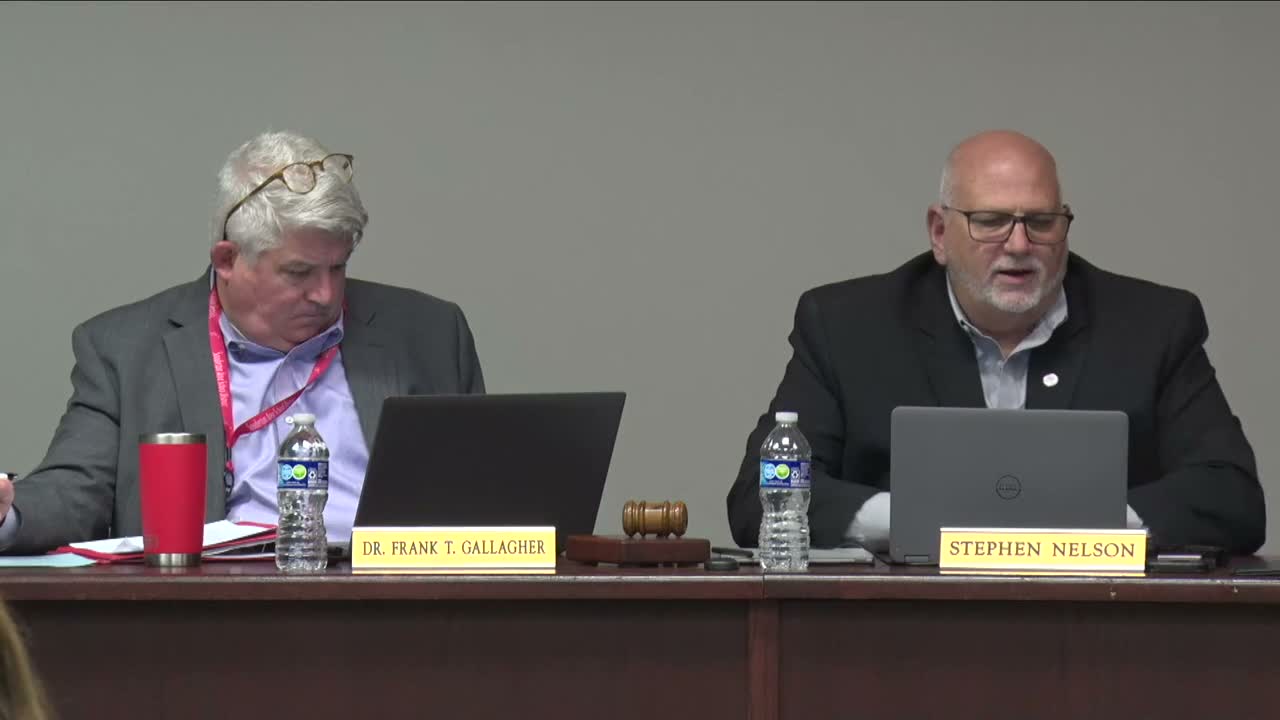
The Souderton Area School District board on Nov. 20 amended its agenda to consider two proposed governance policies as first readings rather than final approvals after sustained public comment questioned the timing and purpose of the measures.
The policies under discussion were described by the administration as: 1) a confidentiality and litigation-related provision that would bar board members who are actively suing the district from participating in confidential deliberations about that lawsuit, and 2) a board communications and information-requests policy that would require board members to route inquiries to the superintendent. An unidentified speaker told the meeting, “I directed that the agenda be amended and the policies be approved as a first reading tonight instead of a final approval,” to allow newly elected members to review the proposals after they are sworn in.
The change drew repeated criticism from public commenters who said the measures appeared timed to limit incoming board members’ access to information. “This policy limits the ability of duly elected school board directors to do their job,” said Alex Wisser, a newly elected director from Upper Salford Township, adding that the proposal “shifts authority to the superintendent” and would reduce accountability.
Other residents echoed those concerns. Corinne Dejazo said she was surprised the policies had not been included on the policy agenda earlier and noted the district’s minutes archive showed no recent precedent for waiving readings before a change in board composition. Scott Swindells, speaking from Lower Salford, said neighboring districts treat 'readings' as an opportunity to read and discuss the text aloud, and he warned Souderton’s approach risked appearing to 'gatekeep' information.
Board members responded on procedural grounds. A member asked that concerns about policy 11.2 be reviewed in committee and readings before final action; the administration said it would consider adjustments during the review process. The board then approved the consent agenda (which, as presented, included making 11.1 and 11.2 first readings) by voice vote.
What happens next: Converting the items to first reading means the policy texts will return for discussion and possible amendment at committee meetings and subsequent public readings. The board announced a reorganization meeting on Dec. 1, when newly elected members are scheduled to be sworn in; those members will have the chance to raise objections in public.