
Appeals court hears argument over missing booking video in OUI appeal
Get AI-powered insights, summaries, and transcripts
Subscribe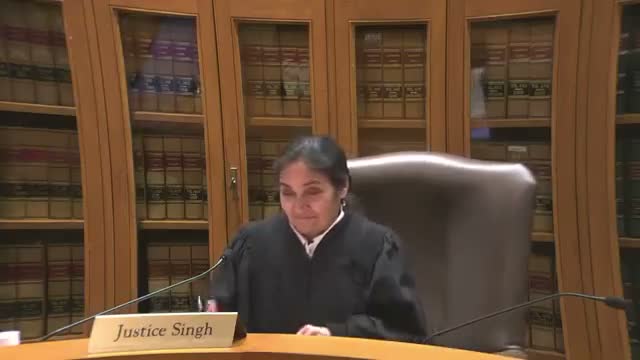
Summary
In Commonwealth v. David Jones, defense counsel argued the absence of a booking video — which the officer testified would have shown no signs of intoxication — was material and prejudicial; the Commonwealth said the trial judge fashioned an adequate remedy and the evidence was sufficient to uphold the conviction.
A three-justice appeals panel heard oral argument on Jan. 5 in Commonwealth v. David Jones, a direct appeal from an OUI conviction in Brockton District Court that centers on whether the trial court erred in declining to suppress or dismiss evidence after the booking video was not preserved.
Corey Arder, counsel for David Jones, told the court the case raises two issues on appeal: whether the motion judge and the trial judge erred by denying motions to dismiss or exclude lay-observer testimony about intoxication because the booking video was not available, and whether the evidence was sufficient to sustain the conviction. Arder said the booking officer had testified at the motion hearing and at trial that there were no signs of intoxication at booking and that the actual video would have been exculpatory; he argued the trial court's remedy — permitting questioning about the existence of a video and cross-examining the officer about it — did not cure prejudice.
The panel pressed defense counsel on harmless-error principles, noting that the officer already testified about what he observed at booking and asking what additional value the video would have provided. Arder responded that the officer's trial testimony often took the form of explaining why he did not include observations in his report rather than an affirmative statement that Jones was not intoxicated; defense argued the video would have provided concrete, objective evidence and that, given the limited eyewitness and lay-observer testimony at trial, its absence was not harmless.
Alyssa Almeda, an assistant district attorney for Plymouth County, said the Commonwealth did not act in bad faith to delete or overwrite the recording and that the trial judge reasonably fashioned a remedy once the absence was discovered. Almeda argued that the totality of the evidence—including the officer's testimony about bloodshot/glassy eyes, unsteady balance and failed sobriety-type tasks, and statements made at the scene—supported the jury verdict and that case law on materiality requires the missing evidence to create a reasonable doubt considering the entire record.
A justice raised Arizona v. Youngblood as a hypothetical: if police intentionally or recklessly destroyed exculpatory video, Youngblood could require dismissal. Almeda told the panel the record did not show bad-faith destruction here and that the judge's remedy and counsel's ability to argue culpability to the jury weighed against dismissal.
The panel submitted the case after questioning. No decision was announced from the bench.
The court's next steps are to consider the filings and the arguments made at oral argument before issuing a written opinion.