
Appeals panel weighs sufficiency of identification and expert testimony in Torres case
Get AI-powered insights, summaries, and transcripts
Subscribe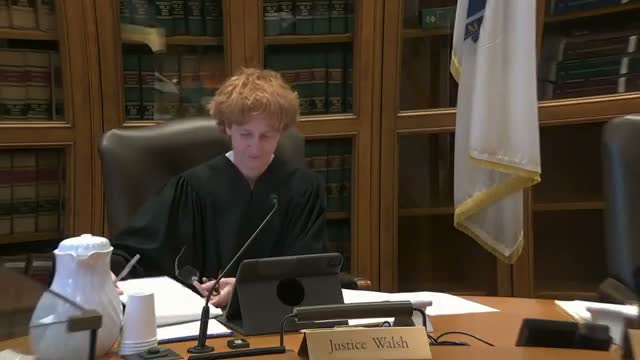
Summary
Counsel challenged the sufficiency of circumstantial identification and whether a child-disclosure expert improperly vouched for the complainant; Commonwealth argued the record supported identification and the expert's testimony was permissible scientific explanation of delayed disclosure.
The Appeals Court heard argument in docket 25P0027, Commonwealth v. Torres, where defense counsel Christopher DeMeo urged reversal on sufficiency grounds and challenged the scope of expert testimony about delayed disclosure.
DeMeo told the panel the prosecution's case was circumstantial and relied on a childhood memory of the victim who recalled the first name "Jonathan" but could not identify the defendant at trial; he urged the panel to view the record as insufficient to satisfy the "web of convincing proof" required in circumstantial cases. DeMeo also argued Professor Block’s testimony crossed the line from describing general disclosure phenomena to impermissible vouching that could improperly influence juror credibility determinations.
Christopher Nichols of the Hampton County District Attorney's Office replied that the mother’s testimony and corroborating circumstantial evidence permitted identification beyond a reasonable doubt and defended the expert as providing scientific background on delayed disclosure that jurors could weigh without being told to accept it as conclusive.
The panel questioned the contours of precedent (including Dockum and Montanino) on expert scope and whether the testimony was too general; no decision was rendered at argument.
The matter was submitted to the court.