
Henry County staff: reassessment up ~40% since 2019; revenue-neutral rate would fall to about 37¢
Get AI-powered insights, summaries, and transcripts
Subscribe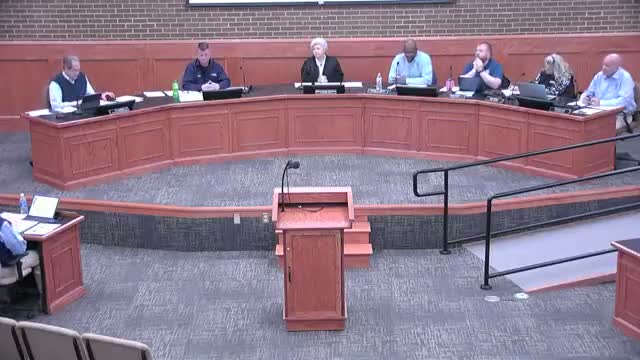
Summary
County staff told the Henry County Board that assessments rose from about $3.8 billion in 2019 to $5.45 billion in 2026 (≈40%), estimating a revenue-neutral tax rate of roughly 37¢ versus the current 55.5¢ and noting budget pressures including a $2.7 million near-term debt-service increase.
County staff told the Henry County Board of Supervisors on Jan. 2 that the countywide reassessment shows assessed values rising from $3.8 billion in 2019 to approximately $5.45 billion in 2026 — an increase staff characterized as roughly 40% — and that the change in assessed value alone "does not constitute a tax increase."
Staff explained that property tax bills depend on both assessed value and the tax rate the board sets annually. Using the new assessments, staff estimated the revenue-neutral tax rate would be about 37¢, down from the current rate of 55.5¢, and reminded the board that state law requires the board to set a revenue-neutral rate unless it advertises and holds a separate public hearing to increase the rate. "We would have to lower our tax rate to 37¢ approximately," staff stated.
Nut graf: The reassessment and the revenue-neutral calculation set the context for upcoming budget choices: staff highlighted multi-million-dollar pressures including a projected $2.7 million increase in debt service over two years and illustrated roughly $5.6 million in near-term additional costs that would need to be funded or offset.
Staff provided additional figures: residential values rose about 66%, commercial and industrial values about 42%, income-producing properties about 12%, and public utilities (including solar farms) about 54% (all described as averages). The presentation noted that 1% on the new real-estate tax base would generate about $475,213. Staff also described a tentative timeline for budget work: manager requests by Feb. 6; a planned joint work session with the school board in late February (pending confirmation); public hearings in April; and budget adoption and appropriations in May.
Staff emphasized these numbers are preliminary and subject to appeals and changes in the final state budget. Reassessment notices were scheduled to begin mailing Jan. 5 in phases; staff will offer public outreach including informational videos and an open house where Commissioner Harrison will be available to explain the appeals process.
What’s next: The board approved the FY 2026–27 budget calendar and will consider the revenue-neutral rate, any decision to advertise a tax increase (which requires a separate hearing), and budget appropriations during the public hearing schedule the staff outlined.