
Dayton commission rejects proposed Wilmington/Patterson car wash after neighborhood opposition
Get AI-powered insights, summaries, and transcripts
Subscribe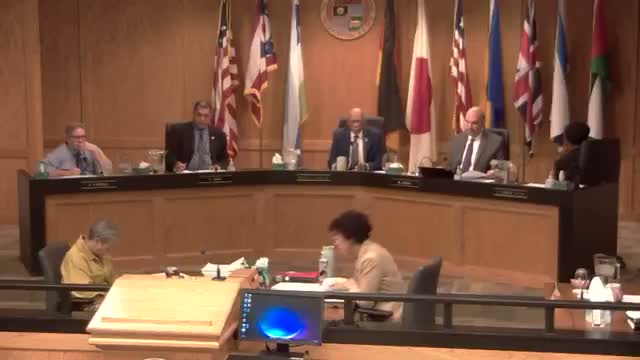
Summary
After repeated neighborhood objections and a plan‑board recommendation for denial, the Dayton City Commission voted to reject a proposed Flying Ace car wash at the Wilmington/Patterson/Colwick site, citing traffic, noise and conflicts with the adopted Southeast neighborhood vision.
Residents and planning staff delivered conflicting views on a proposed Flying Ace car wash at the corner of Wilmington Avenue and Patterson Road before the Dayton City Commission ultimately rejected the proposal.
Richard Stevens, speaking for Belmont neighbors, told the commission the development would “disrupt our existing quality of life,” citing driveway safety, additional curb‑cut conflicts and the potential for cars to queue near homes. Eileen Comerford said the zoning board had recommended denial twice and described a neighborhood coalition working to propose alternative, pedestrian‑oriented uses.
Planning staffer Jen Hanauer said the applicant submitted a traffic study and planned to close one curb cut so primary access would be from Revere and Colwick; the study showed the car wash “would not necessarily increase [traffic] more than another commercial use,” Hanauer said, but staff and the planning board concluded heavy vehicular use was inconsistent with the Southeast neighborhood vision adopted by the commission, which envisions walkable, activated uses at that corner. Hanauer also said the city should consider adding a left‑turn lane for eastbound Patterson onto Revere regardless of the final use.
Commissioners used those staff findings and residents’ testimony as the core of their deliberations. Commissioner Fairchild noted the planning board’s unanimous denial and said the commission should “preference the residents who are going to be impacted the most.” Commissioner Joseph called the decision a “close call” but said neighbors’ concerns were valid for immediate adjacent residents.
After discussion, the commission moved to accept the city manager’s recommendations for the calendar as a whole. When the presiding official later corrected a recording error for the car‑wash item (item 22), the commission re‑ran the roll call for that item and recorded ‘No’ from each member, formally rejecting the proposal.
The planning board had twice recommended denial and residents said they would work with the city to identify alternative tenants for the site. Commissioners encouraged the applicant and planning staff to explore other nearby properties the city has identified as more suitable for vehicular uses.
The matter concluded with no formal relocation plan announced; planning staff and community members indicated continued engagement to find an alternate, neighborhood‑compatible use for the parcel.