
Washington County employees report smaller checks after payroll moved to 27 pay periods; council to amend salary ordinance
Get AI-powered insights, summaries, and transcripts
Subscribe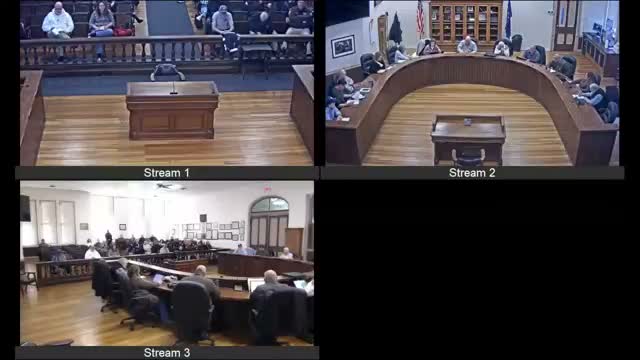
Summary
Employees told the Jan. 5 Washington County Council meeting that take-home pay dropped after the county’s payroll was calculated across 27 pay periods. Officials said the auditor’s office divided annual salaries by 27, the State Board of Accounts flagged inconsistent ordinance language, and a clarified salary ordinance and any back pay will be pursued.
WASHINGTON COUNTY — Washington County employees packed the council chamber on Jan. 5 to press the council for answers after some received smaller paychecks when the county’s payroll was processed over 27 pay periods for 2026.
Workers and department heads described a mix of hourly and salaried positions and said the change to 27 pay periods — something that occurs every nine to 11 years — left some staff seeing a lower biweekly rate even though the annual salary figure approved by the council did not change. Brent Miller, a county employee who spoke during public comment, said he brought the issue to the meeting to get transparency and answers: “I’m not a CPA. I don’t wanna be a CPA. I’m not the auditor,” he said, describing how his department’s budget lines appeared to show zero at year-end and raising concerns about how remaining days would be paid.
County officials and the auditor’s office explained that the salary ordinance approved by the council listed biweekly pay calculated over 26 pay periods while 2026 includes 27 biweekly payrolls. According to the auditor’s office explanation to the council, the office divided the approved annual salaries by 27 to determine the biweekly payout for each check; the State Board of Accounts has since emailed the county noting inconsistent terminology in the ordinance and recommending that the council amend the language to make its intent clear.
Officials emphasized that the total annual salary approved by the council has not changed and said employees will receive what the council approved over the course of the year. A county representative told the meeting the auditor’s office cannot pay more than the salaries the council adopted and that the apparent differences result from how the ordinance describes pay (annual versus biweekly) and how the payroll vendor and software apply pay periods.
Council members said they will prepare a revised salary ordinance that clarifies how raises and hourly versus salaried positions are calculated, circulate the draft for review and vote on it at a subsequent meeting. Karen, a council member who addressed employees near the meeting’s close, thanked staff for bringing concerns to the council: “I just wanna thank the employees for addressing their issues today,” she said. Council representatives said the goal is to make employees whole if errors are found, including calculating any back pay owed as the ordinance and budget permit.
The council did not adopt an emergency remedy at the meeting. Staff and the auditor’s office said they will run new calculations, coordinate with the payroll vendor, and produce revised ordinance language for the council to consider; officials aimed to present a draft for review before the council’s February meeting. The county also said that, if corrections require budget adjustments, it will examine the budget impact and communicate next steps to employees and department heads.