
Warwick council plunges into procedural dispute over committee reorganization; motion to postpone succeeds
Get AI-powered insights, summaries, and transcripts
Subscribe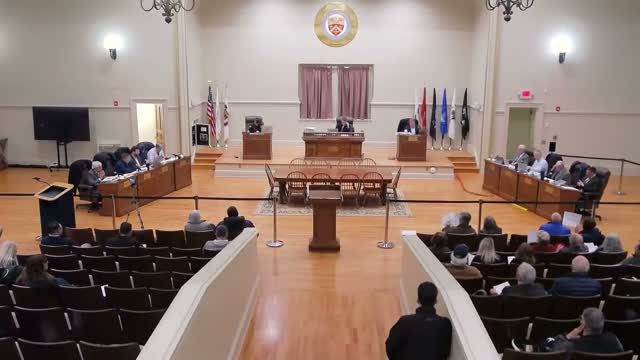
Summary
Council president announced a reorganization of standing committees by executive action. Council members raised a procedural appeal and an Open Meetings Act (rolling quorum) concern; after extended debate and a brief recess the council voted to indefinitely postpone the reorganization.
The full Warwick City Council meeting opened at 6:43 PM with an executive communication from Council President Sanappi proposing changes to committee membership and chair appointments. The communication invoked council rule authority that grants the president appointing power for standing committees.
Several council members immediately objected. Councilman Ricks formally appealed the reorganization and Councilman Mutoh raised a point of order alleging a possible rolling quorum and asked the council to postpone the action pending an attorney-general review of any Open Meetings Act concerns. The solicitor advised that whether the Open Meetings Act applies in this exact situation is a ‘‘gray area’’ and that a formal complaint to the attorney-general’s open meetings office would be the appropriate mechanism if evidence exists.
Members debated Robert’s Rules provisions and the council’s own rules at length. The council took a brief recess to restore decorum. After returning, members engaged in repeated procedural votes—first to determine whether the president’s initial ruling that a motion to postpone was out of order should be sustained, and then on the underlying motion to postpone the reorganization. The council ultimately voted in favor of indefinitely postponing the president’s reorganization action; several members said they backed postponement to allow the attorney-general’s office to review the rolling-quorum question and to preserve council deliberation rights.
Why it matters: The dispute centered on the balance between a council president’s authority to appoint and replace committee members and the council’s right to appeal or overrule executive actions. Council members cited the need for transparency and for protecting the body from procedural moves that could sidestep full membership debate. Several members said the reorganization, if implemented without broad notice and deliberation, risked eroding trust and increasing litigation risk under open-meetings rules.
What happens next: The reorganization will not take effect while the postponement stands. Members who pressed for AG review said they would pursue formal inquiry if evidence of a rolling quorum exists; others signaled they would use the extra time to negotiate a consensual approach. The full council will revisit committee organization in a future meeting after the legal and procedural questions are resolved.