
Reporters press U.N. on relevance, recognition of Maduro and allegations of regime ties to drug trafficking
Get AI-powered insights, summaries, and transcripts
Subscribe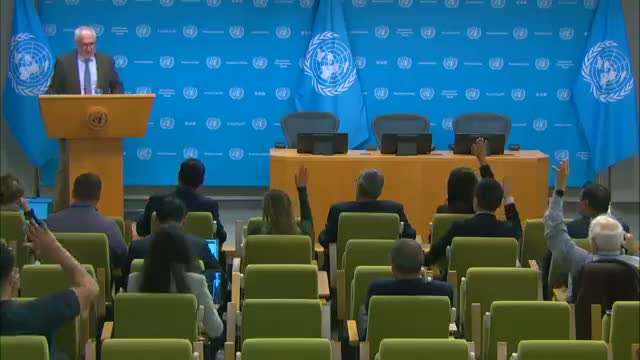
Summary
Reporters asked whether the U.N. recognizes Nicolás Maduro, whether the SG would condemn the operation more forcefully, and why alleged links between the Maduro regime and drug‑trafficking/terrorist financing were not named in the Secretary‑General's statement; the spokesperson pointed to legal frameworks and member‑state responsibilities.
Reporters at the United Nations briefing challenged the Secretary‑General's office on whether the U.N. recognizes Nicolás Maduro, how the U.N. remains relevant amid divisions on the Security Council, and why the weekend statement did not explicitly repeat allegations that the Maduro regime finances illicit activities.
When asked directly, Gabriel said: "Did the U.N. recognize Nicolas Maduro as legitimate president of Venezuela?" The spokesperson answered that "we're not in the business of recognizing governments" and noted the credentials of the Venezuelan delegation at the U.N. "have not been... challenged." The answer distinguished the U.N.'s institutional role from individual member‑state recognition.
Several reporters questioned whether the Secretary‑General's choice of words signaled weakness. John Haltoy asked if the U.N. faced an "identity crisis" as veto‑wielding Security Council members take actions that raise concerns; the spokesperson replied that the SG's identity is rooted in the Charter, international law and the Universal Declaration of Human Rights and that member states must live up to obligations they signed.
Mr. Klein cited a U.N. panel or committee report — which he said had been referenced during the Security Council meeting — alleging the Maduro regime is "heavily involved in drug trafficking" and connected to financing terrorist activities. The spokesperson said international tools (treaties on transnational crime and illicit drugs) exist but "work best when they are used by the international community in international cooperation," and said the office had not received an official U.S. justification for the Jan. 3 operation as of the briefing.
The briefing concluded with the spokesperson reiterating calls for respect of the Charter, protection of civilians, and for the international community to use existing legal tools cooperatively.