
U.N. humanitarian update: millions in Venezuela need aid as appeals remain underfunded; Gaza, Sudan and Ukraine also in crisis
Get AI-powered insights, summaries, and transcripts
Subscribe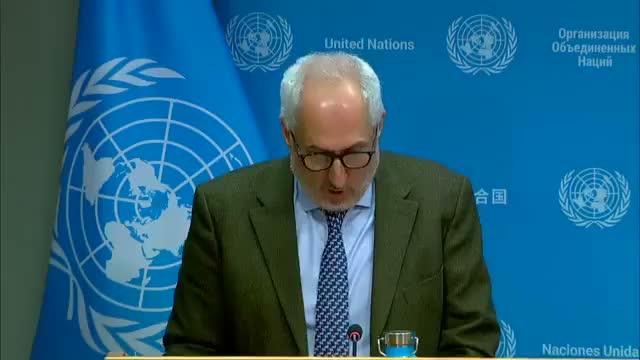
Summary
The U.N. updated reporters on multiple humanitarian crises: about 7.9 million people in Venezuela need urgent support and the country's appeal was only 17% funded last year; U.N. partners moved over 10,000 metric tons of aid into Gaza last week, Sudan faces fresh drone‑strike displacement, and Ukrainian civilians continue to suffer casualties and outages.
The United Nations' spokesperson provided an overview of humanitarian situations affecting Venezuela, Gaza, Sudan and Ukraine, saying that partners continue relief operations despite funding and access challenges.
On Venezuela, the spokesperson cited Office for the Coordination of Humanitarian Affairs (OCHA) figures that roughly 7,900,000 people need urgent assistance—more than a quarter of the population. The humanitarian response plan for Venezuela remains "critically underfunded," the briefing said; last year only 17 percent of more than $600 million requested was received, making it among the least‑funded country appeals.
Turning to Gaza, the spokesperson said U.N. and partner convoys delivered more than 10,000 metric tons of aid through the Kerem Shalom/Karim Abu Salem and Zikim crossings during a recent seven‑day period. The January distribution round resumed for general food assistance, and partners reported distributing approximately 170,000 daily bread bundles (each around 2 kilograms) and running hot kitchens that together now serve roughly 1,500,000 meals per day.
In Sudan, the U.N. described escalating violence in Darfur and Kordofan regions: drone strikes on Jan. 3 reportedly struck a market and a medical clinic in North Darfur and displaced over 600 people in West Darfur's Kulbus locality; partners warned that civilians remain trapped and access is increasingly restricted.
On Ukraine, the spokesperson said attacks over the weekend caused dozens of civilian casualties (including children), damaged residential and health infrastructure, and left many households without electricity amid subzero temperatures; mandatory evacuations of more than 3,000 children and families from frontline areas were reported.
The spokesperson urged member states and donors to increase funding for these appeals and stressed the importance of preserving humanitarian operational continuity, protection of civilians, and unimpeded access for life‑saving assistance.