
Quakertown committee debates AI wearables ban vs. guardrails; staff proposes 'stoplight' AR
Get AI-powered insights, summaries, and transcripts
Subscribe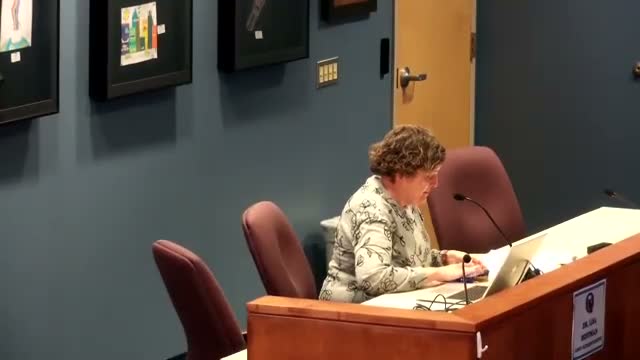
Summary
Quakertown Community SD committee discussed whether to ban AI-enabled wearables (e.g., smart glasses) or to control use via Administrative Regulations tied to classroom acceptable-use rules; staff proposed a green/yellow/red "stoplight" framework and will draft ARs for the next meeting.
The Quakertown Community SD policy committee debated Jan. 5 whether to prohibit AI-enabled wearables outright or to manage them through Administrative Regulations and existing acceptable-use rules.
Dr. Hoffman told the committee the district issued guidance to families after emergent concerns and is drafting classroom-focused ARs. She said the proposed approach is a "stoplight" system: green uses would be allowed, yellow uses allowed with guardrails, and red uses barred from classrooms. "If something is green, that means you can use AI. If something is yellow, then you have to use it with appropriate guardrails. And if something is red, then that's a time when we don't use AI," she said.
Committee members debated enforcement and equity. One member cautioned that district-issued devices are more controllable than personal wearables brought from home and warned about hallway, locker-room and bathroom privacy risks if personal devices are permitted. Another member said acceptable-use language already captures many prohibitions — including facilitating illegal activity or sharing obscene material — and urged care before imposing an outright ban because educational opportunities exist for the technology.
Speakers raised equity concerns about classroom activities that rely on student-owned devices: not all students have wearables or phones, and the district should ensure alternatives for students without access. Members suggested using handbook entries, exemplars, and an AR (rather than naming specific devices in a long-lived policy) to keep guidance current as technology changes.
Dr. Hoffman said the district has sought sample policies from other districts and counsel on technology guidance and aims to bring a draft AR to the next meeting that would parse classroom-allowed functions from prohibited activities and provide a consistent enforcement approach.
The committee did not adopt a ban at the meeting and asked staff to draft a classroom-focused AR and exemplars for review. The conversation will continue at a future policy committee meeting.