
IDB adopts intent-to-reimburse resolution for Wildflower Development using special-assessment financing
Get AI-powered insights, summaries, and transcripts
Subscribe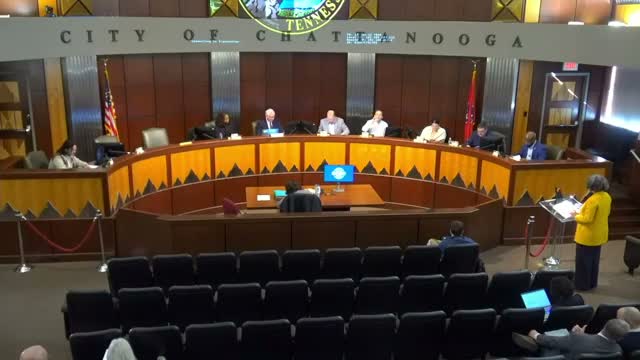
Summary
The board adopted an intent-to-reimburse resolution that preserves the option to include the Wildflower Development's first phase in a new Tennessee special-assessment financing program; the resolution does not obligate the city but preserves tax-law timing for potential reimbursement if special-assessment debt is later issued.
The Industrial Development Board approved a resolution stating its intent to reimburse developer-incurred public-infrastructure costs for the Wildflower Development, a residential project on the former Cigna site, if the city later approves special-assessment financing and special-assessment debt is issued. Hanneke VanDerson, director of housing finance for the city, explained the new tool authorized by state law (identified in the transcript as the Real Estate Infrastructure Act of 2025 and as a successor to earlier residential-infrastructure legislation) that lets developers use long-term tax-exempt bond financing secured by special assessments to fund infrastructure without the city incurring conventional debt.
VanDerson said the resolution is conditional and "does not commit the city to approve the imposition of the special assessments or commits the industrial development board to issue special assessments debts." She described the special assessment as paid on the property tax bill, junior to property taxes but senior to mortgage debt, and stated that the financing is nonrecourse to the city: the owners in the district would pay an extra assessment to retire the bonds.
Bond counsel explained that federal tax-code language requires certain phrasing in a reimbursement resolution and that the wording used is intentionally structured to preserve tax-exempt treatment if special-assessment debt is eventually issued. Counsel said the resolution asks the board to approve a maximum principal of $10,000,000 in the document before them; staff and counsel emphasized the action preserves options while leaving substantive negotiations, petition requirements and council approval to occur before any final debt is issued.
Some board members pressed for clarity about homeowner impacts and said the approach could mean homeowners pay for infrastructure over 30 years through the assessment. One board member described the proposal as appearing to be "a shell game," expressing concern about shifting infrastructure costs to new homeowners; VanDerson and counsel responded that the tool can lower the upfront purchase price of homes and is intended to help secure greater affordability as a negotiated public benefit. The board approved the intent-to-reimburse resolution and requested an education session on the new tool and a detailed presentation on the item at a future meeting.
What happens next: city council will be briefed on special-assessment financing, a petition must be filed for a district, and any decision to issue special-assessment debt would follow council vote and further IDB review and negotiation.