
Robbinsville board approves $5.03 million ballot question to avert cuts to classes, programs and activities
Get AI-powered insights, summaries, and transcripts
Subscribe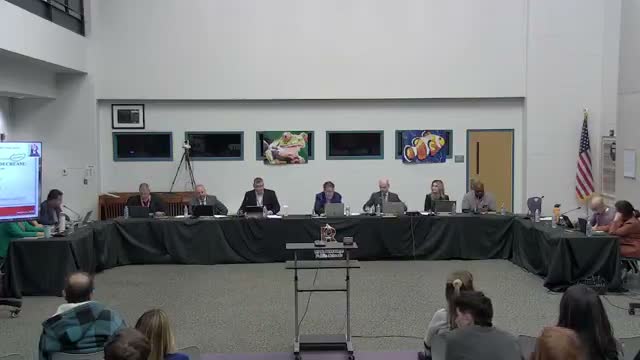
Summary
After a presentation showing a recurring $2.2 million structural deficit, Robbinsville's superintendent recommended three options. The board voted to put a $5,031,476 school funding question on the March 10 ballot to preserve class sizes, extracurriculars and elective courses while the district holds public forums.
The Robbinsville Board of Education voted on Jan. 5 to place a $5,031,476 funding question before voters on the March 10 ballot to maintain class sizes, preserve elective courses and protect extracurricular programs.
Superintendent Doctor Pizzo outlined the district's fiscal challenge and urged the community to consider options rather than single responses. "Being $2,200,000 upside down every year is not sustainable," he told the board, later reiterating that the district is projecting at least a $300,000 reduction in state aid this year. The presentation identified salaries and benefits as the largest budget drivers and traced a cumulative shortfall to years the district did not raise the levy to its permitted cap.
Why it matters: the administration said the Ask (equal to last year's adequacy figure) would preserve staffing and programming for roughly two years and avoid immediate eliminations. Without additional local support, the superintendent warned the district could be forced to eliminate positions, cut sports and clubs, and reduce elective offerings.
What the ballot question would do: the language the board approved asks voters to authorize a permanent increase in local school funding that the administration says would (a) prevent class-size increases by maintaining up to 22 teachers and staff who would otherwise be eliminated, (b) maintain student activities including athletic teams and clubs, and (c) preserve elective courses that support well-rounded learning. The board and administration stressed the figure is meant to hold the district steady while the community considers longer-term alternatives.
Board and public reaction: board members pressed for clearer wording and for flexibility in how funds would be used, while residents at the meeting urged either support for a referendum or alternatives such as subscription busing, developer impact fees and more aggressive grant-seeking. As one resident put it, "I would rather pay a little bit more incrementally in my taxes than watch my home value drop," and others warned that program cuts would cause families to leave the district.
The options considered: administration presented three scenarios: the $5.03 million adequacy amount to sustain operations short-term; an $8.5 million option to preserve programs and seed new, revenue-generating "pathways" or career-focused offerings; and a larger $17 million figure that would align local effort to the state's local-fair-share formula and restructure finances more permanently. The board settled on the first option for the immediate ballot and agreed to continue outreach on the others.
Next steps: the board must submit the finalized ballot language to the county by the end of the week to meet the 60-day deadline for a March 10 special election. Administrators said they will hold regular public information sessions and post detailed budget materials online so voters can compare household cost estimates and program impacts before the vote.
What was not decided: the board left open longer-term choices: whether to pursue larger operational increases later, to recommend a bond or capital-question strategy when debt service falls off, and which specific program expansions a higher-dollar question would fund. The administration said it will provide more granular cost and enrollment projections at community forums.
The board approved the resolution to place the question on the March ballot following discussion and minor wording amendments; details and the official question text will be posted with county materials.